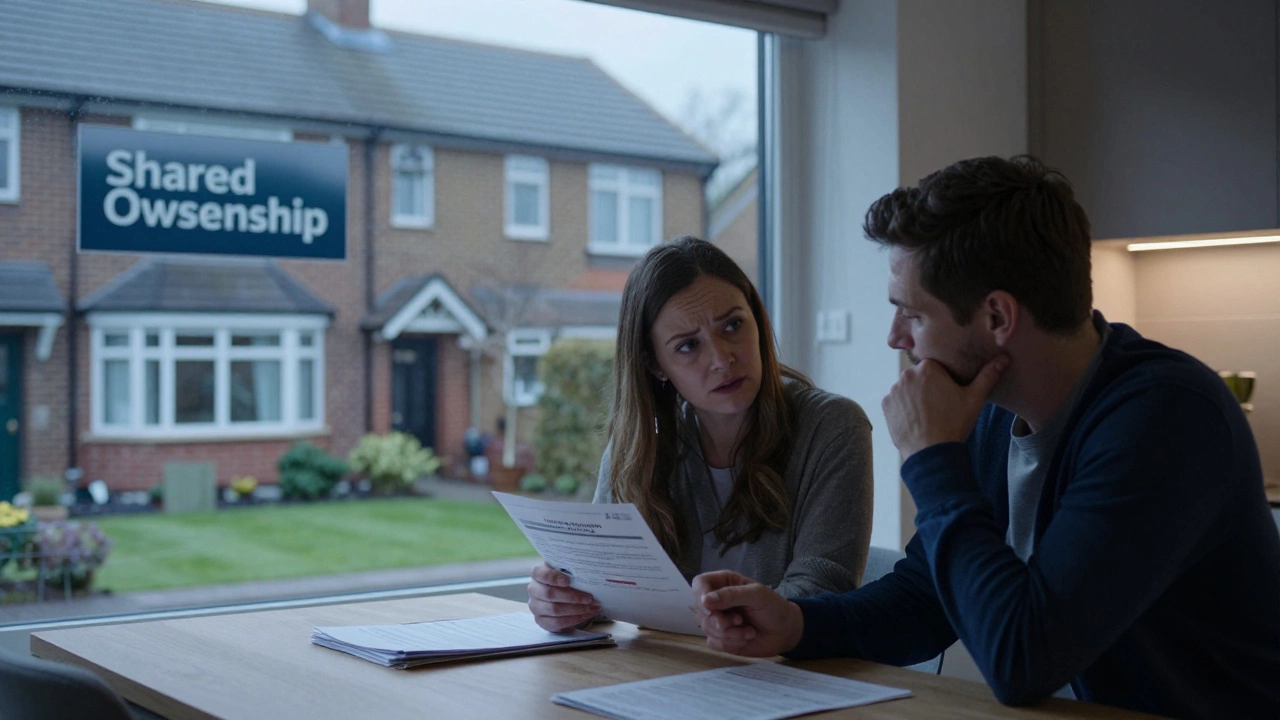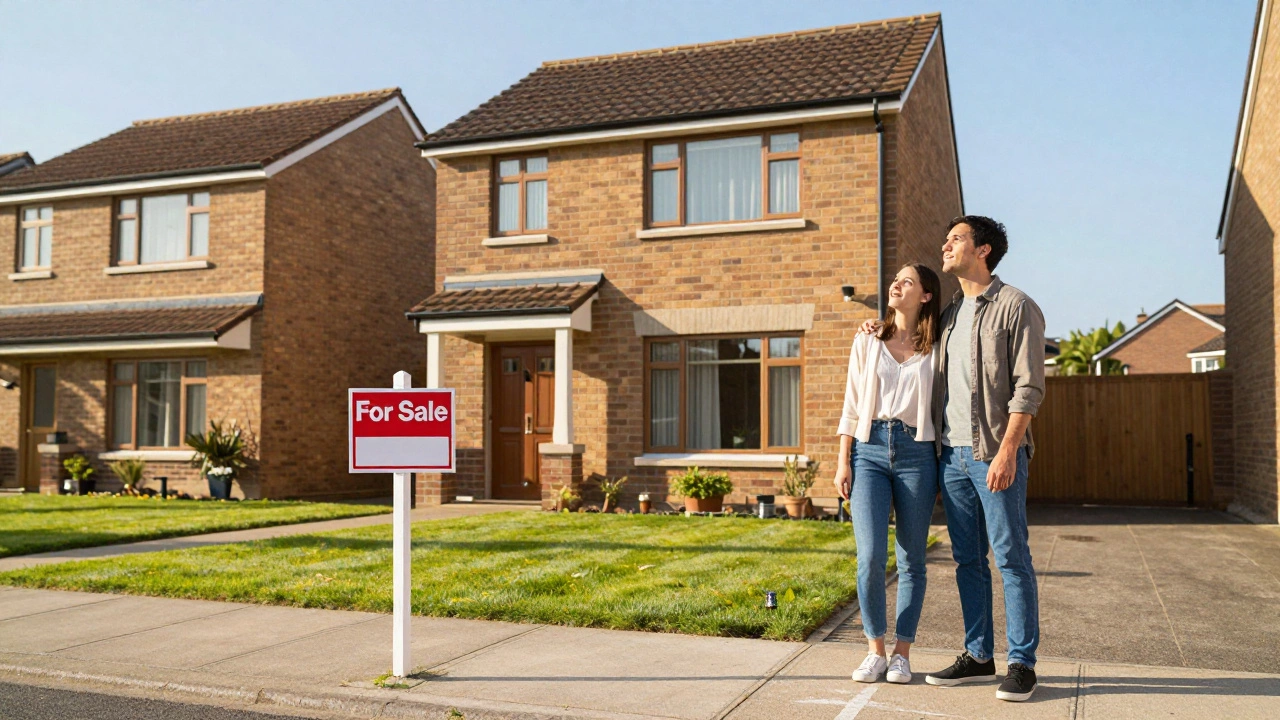
Shared Ownership: How It Works and How to Get Started

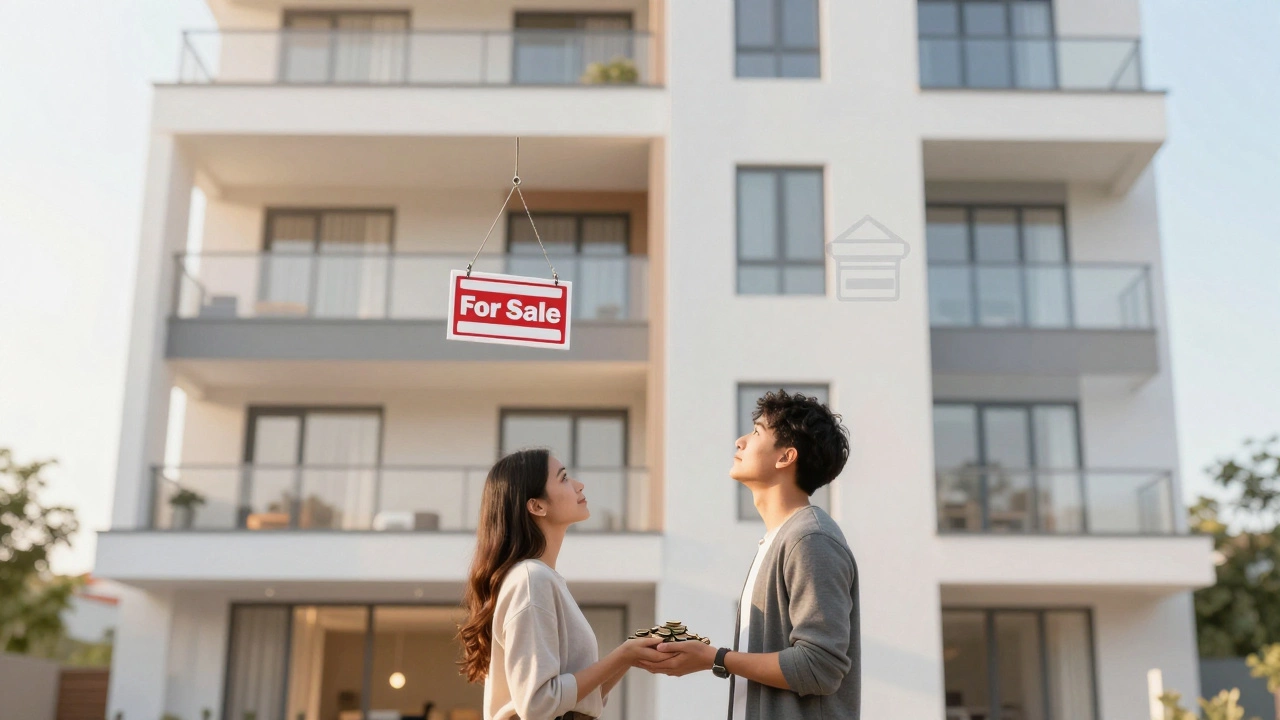
Did you know that more than a quarter of people who can’t afford a full‑price home jump into shared ownership? It lets you buy a slice of a house and rent the rest, lowering the cash you need up front.

What Shared Ownership Actually Means

In a shared‑ownership deal you purchase between 25 % and 75 % of a property. The remaining share stays with a housing association or private developer, and you pay rent on that part. You own the share you bought outright, so you can sell it later or buy more shares – a process called “staircasing”.

The loan you take only covers the part you own, so monthly payments are usually lower than a standard mortgage. You also still have to cover council tax, utilities and maintenance, but the rent on the rest of the house is often below market rates.

Steps to Find and Secure a Shared‑Ownership Home

First, check if you’re eligible. Most schemes require you to be a first‑time buyer, have an annual household income under £80,000 (or £90,000 in London) and not own another property.

Next, start browsing listings. Our site lets you filter for shared‑ownership homes, choose the percentage you want to buy and see the rent you’ll pay on the remaining share. When you find a place you like, arrange a viewing just like any other property.

If you decide to go ahead, the next step is to get a mortgage for the share you’ll own. Many lenders have specific shared‑ownership products, so it’s worth comparing a few. You’ll also need a valuation of the whole property, not just your share.

After the mortgage is approved, you’ll sign a lease‑hold agreement with the housing association. This contract outlines your rights, the rent you’ll pay, and how you can staircase up later. Read it carefully – ask a solicitor any question you’re unsure about.

Finally, move in! You’ll pay a mortgage on your share, rent on the rest, and any service charges that apply. Over time, if you want to own more of the house, you can buy additional shares whenever you can afford it.

Remember, shared ownership isn’t a free‑pass to cheap housing. The rent can increase, and selling your share may take longer than a normal resale. But for many, it’s a realistic way to step onto the property ladder without a huge deposit.

Ready to explore shared‑ownership options? Use the search bar above to filter listings, compare prices, and see how much you could save compared to buying outright. Take the first step today and turn a fraction of a house into your own home.

Can a Husband Leave His Wife Out of the Will? Rights in Shared Ownership Homes
10 May

Discover if a husband can legally exclude his wife from a will in shared ownership homes. Learn about joint tenancy, intestacy rules, and statutory protections under UK law.

The Hidden Costs of Joint Ownership: Risks, Liabilities, and Exit Traps
4 May

Discover the hidden risks of joint property ownership, from lost autonomy and credit score contamination to legal exit traps. Learn how to protect yourself with co-ownership agreements.

Owning 10% of a Home: How Shared Ownership Works
27 Apr

Curious about owning 10% of a home? Learn how shared ownership works, from mortgages and rent to the process of staircasing and maintenance responsibilities.

Are Shared Equity Agreements Actually a Good Deal?
26 Apr

Discover if shared equity agreements are a smart way to buy a home or a costly mistake. We break down the pros, cons, and the math behind home equity partnerships.

Understanding Ownership Shares: A Guide to Shared Ownership Homes
19 Apr

Learn exactly how ownership shares work in shared ownership homes. Discover staircasing, rent calculations, and how to build equity in a property you don't fully own.

How Many Shares Do You Need to Be an Owner in a Shared Ownership Home?
5 Mar

You don't need to buy 100% of a home to be an owner. In shared ownership, owning just 25% makes you a legal homeowner with equity, lower rent, and a path to full ownership. Here's how it works in New Zealand.

How does a share house work? A clear guide to shared ownership homes
1 Mar

A share house in New Zealand lets you buy part of a home while renting the rest - making homeownership possible without a full deposit. Learn how it works, who qualifies, and why it's changing the housing game.

Are You Allowed Guests in a Shared House? What You Need to Know
9 Feb

Wondering if you can have guests in a shared house? The answer depends on your agreement, local laws, and housemate dynamics. Learn what's allowed, how to set fair rules, and avoid conflicts in shared ownership homes.

What Is Shared Ownership in a Company? Understanding How It Works in New Zealand
1 Feb

Shared ownership in a company means owning a part of the business, not just working for it. Learn how it works in New Zealand, the risks, benefits, and real examples from local startups.

What Is the Share Ownership Structure in Shared Ownership Homes?
29 Jan

The share ownership structure lets you buy a portion of a home while paying rent on the rest. Learn how it works, staircasing rules, mortgage requirements, and what happens if you want to sell or upgrade your share.

What Is the Difference Between Joint Owner and Co-Owner in Shared Property?
25 Jan

Joint owner and co-owner sound the same, but in shared property, they mean very different things. Learn how each affects inheritance, control, and what happens when things go wrong in New Zealand.

How to Pay Yourself as a Shared Ownership Home Owner
11 Jan

Learn how to legally access your equity as a shared ownership homeowner - through staircasing, remortgaging, or selling your share - without breaking housing association rules.