
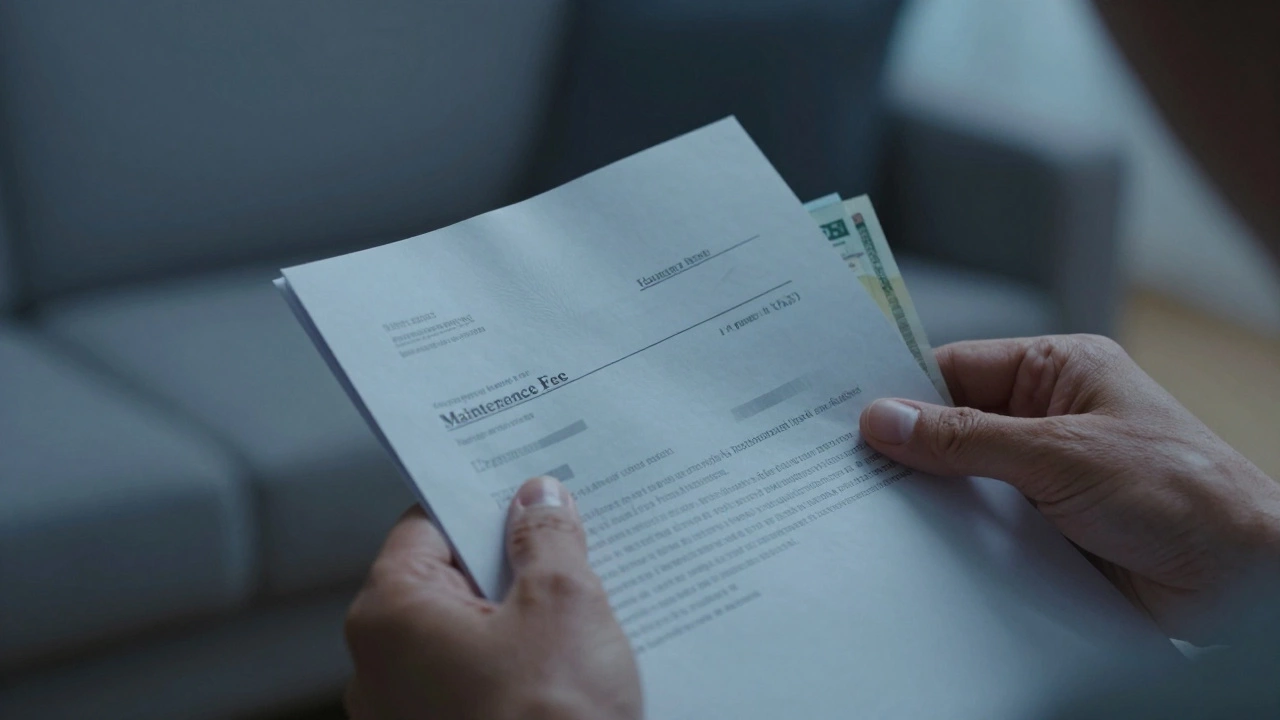
Timeshare Inheritance Action Plan
Locate Documents
Find original purchase contract, deed, or membership agreement.
Contact Resort
Report death, request account statement, freeze late fees.
Consult Attorney
Speak with probate attorney about accepting or renouncing asset.
Decide Your Path
Choose to keep, sell privately, or gift the timeshare.
Update Records
Transfer title or document disposal to release liability.
Step 1: Locate Documents
You just lost a parent. Amidst the grief and the logistics of sorting through their belongings, you find a stack of letters from a resort in Florida or a condo in Hawaii. They are bills for maintenance fees that have been piling up for months. Or perhaps, you receive a letter saying you are now the owner of a week at a luxury resort. What happens next?
The short answer is: it depends entirely on how your parents held the title to the timeshare, which is a form of shared property ownership where multiple people hold rights to use a property simultaneously or at different times of the year. There is no automatic rule that says children inherit timeshares by default, nor is there a rule that says they simply disappear. It comes down to legal paperwork, state laws, and whether your parents included this asset in their will.
If you are staring at those bills right now, take a breath. You have options. This guide breaks down exactly how vacation ownership transfers after death, what liabilities you might face, and how to get rid of an unwanted inheritance without getting scammed.
How Timeshare Ownership Transfers After Death
To understand if you inherited the timeshare, you first need to know who owned it. Unlike a house, which is usually titled under one person’s name or jointly with a spouse, timeshares can be held in various ways. The structure determines the path of inheritance.
If your parents held the timeshare as "tenants in common" or had a standard deed with a designated beneficiary, the ownership likely passes directly to you or another named heir. If they died without a will (intestate), state laws dictate who gets the asset. In many jurisdictions, this means the property goes to the surviving spouse first, then to children equally.
However, here is the tricky part: many older timeshares were bought decades ago when regulations were looser. Some titles might still be under a single parent’s name even if both used it. If the other parent was not on the deed, they didn’t legally own it, and therefore couldn’t pass it to you. You need to look at the original purchase contract or the current deed, not just who paid the bills.
The Difference Between Deed and Contract
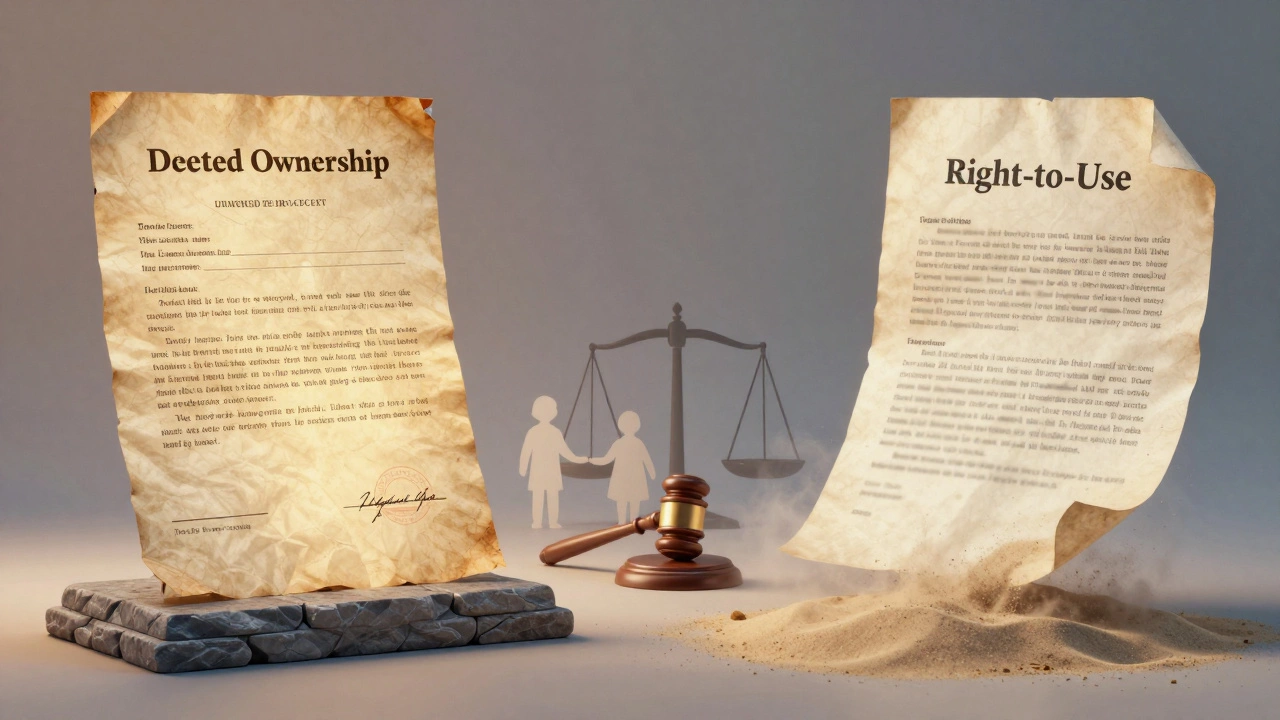
Not all timeshares are created equal. The type of ownership your parents held changes everything about the inheritance process. There are two main types you need to distinguish between:
- Deeded Timeshares: This is real estate. Your parents own a fractional share of the actual property (like 1/52nd of a condo). This is treated like any other piece of real estate in probate court. It has value, it has taxes, and it can be sold, gifted, or inherited. If you inherit this, you become the legal owner of that fraction.
- Right-to-Use Contracts: This is more like a long-term lease. Your parents paid for the right to stay at the resort for a set number of years (often 20 to 99). When the term expires, the contract ends. If your parents are nearing the end of their term, inheriting it might mean you only get a few years of usage before it becomes worthless. These contracts are harder to sell and often harder to transfer because the resort company must approve the new owner.
If you inherit a deeded timeshare, you also inherit the obligations. Maintenance fees, special assessments, and property taxes do not stop just because the owner passed away. The debt follows the asset.
Are You Liable for Unpaid Fees?
This is the question that keeps heirs awake at night. If your parents stopped paying maintenance fees before they died, are you responsible for the back balance?
Generally, no. You are not personally liable for your parents’ debts unless you co-signed the loan or agreed to assume the debt. However, the timeshare company can place a lien on the property. This means if you want to keep the timeshare, you must pay off the outstanding fees to clear the title. If you don’t pay, the resort may foreclose on the unit. Since timeshares rarely sell for enough to cover foreclosure costs, the company often just takes the unit back and lists it as abandoned, leaving you with nothing but a messy credit trail if you tried to keep it.
If you decide to reject the inheritance, you must do so formally. Simply ignoring the bills is not enough. You need to consult with a probate attorney in the state where the timeshare is located to renounce the asset properly. This protects you from future liability while allowing the estate to handle the disposal.
Can You Sell an Inherited Timeshare?
Selling a timeshare is notoriously difficult. The resale market is flooded with units, and values plummet compared to the original purchase price. A unit bought for $30,000 might resell for $2,000-or less. Many owners actually give them away for free just to escape the fees.
If you inherit a timeshare, you have a few paths to exit:
- Private Resale: List it on reputable resale sites. Be prepared for low offers. Buyers are looking for deals, and sellers are desperate. Negotiate hard.
- Gift It: Most resorts allow owners to gift their timeshare to someone else. You can list it on the resort’s internal exchange board or private forums. Just ensure the recipient signs a waiver acknowledging they accept the maintenance fees. This is often the fastest way out, though it may take months to find a taker.
- Resort Buyback: Some companies offer buyback programs, but these are rare and usually require the unit to be in high demand. Don’t count on this.
Avoid "timeshare exit companies." These firms charge thousands of dollars to help you cancel or sell your timeshare. Most of them are scams or use aggressive tactics that could damage your credit. The Consumer Financial Protection Bureau (CFPB) has issued numerous warnings about these services. You can often achieve the same result for free by gifting the unit or negotiating directly with the resort.
What If You Want to Keep It?
Maybe you loved those family vacations. Maybe the location is perfect for your own trips. If you want to keep the inherited timeshare, you need to act quickly to avoid penalties.
First, contact the management company immediately. Inform them of the owner’s death and provide a copy of the death certificate. Ask for a temporary freeze on late fees while the estate settles. Then, update the title to your name. This involves filing documents with the county recorder’s office where the property is located. You will need to pay transfer taxes and recording fees.
Once the title is in your name, you are fully responsible for all future maintenance fees. Review the budget carefully. Maintenance fees tend to rise annually, sometimes by 5-10%. Make sure you can afford the long-term commitment. Also, check if the resort allows you to rent out your week. If you can offset costs by renting, keeping the timeshare might make financial sense.

Red Flags: Timeshare Exit Scams Targeting Heirs
Grieving families are prime targets for predators. Soon after a death, you might receive calls or emails from companies claiming they can "cancel" the timeshare or "sell it for top dollar." They often promise a quick solution for a small upfront fee.
Here is how to spot a scam:
- Upfront Fees: Legitimate resale agents work on commission after the sale. Anyone asking for money before doing anything is likely a scammer.
- Guaranteed Sales: No one can guarantee a sale in the timeshare market. Values are volatile and low.
- Pressure Tactics: Scammers create urgency, telling you that you must act within 48 hours or lose the asset. Take your time. There is no rush except to avoid late fees, which you can negotiate.
If you feel pressured, hang up. Do not sign anything. Consult a local real estate attorney who specializes in vacation properties. Their hourly rate is far less than the thousands you might lose to a scam.
Steps to Take Immediately
If you suspect you have inherited a timeshare, follow this checklist to protect yourself:
- Locate the Documents: Find the original purchase contract, deed, or membership agreement. Look for the name of the developer and the management company.
- Contact the Resort: Call the owner services line. Report the death and ask for a statement of account. This will show any outstanding balances or upcoming dues.
- Consult a Probate Attorney: Especially if the estate is complex or if there are unpaid debts. They can advise on whether to accept or renounce the inheritance.
- Decide Your Path: Will you keep, sell, or gift the timeshare? Make a decision based on financial reality, not sentiment.
- Update Records: If you keep it, transfer the title. If you dispose of it, ensure the transfer is documented so you are released from liability.
Inheriting a timeshare is not necessarily a curse, but it is a responsibility. With careful handling and realistic expectations, you can navigate this process without losing your peace of mind-or your savings.
Do I automatically inherit my parents' timeshare?
No, you do not automatically inherit a timeshare. It depends on how the title was held and whether your parents named you as a beneficiary in their will or trust. If they died intestate (without a will), state laws determine the heirs. You must verify ownership through the deed or contract.
Am I responsible for my parents' unpaid timeshare fees?
You are generally not personally liable for your parents' debts unless you co-signed the loan. However, the timeshare company may place a lien on the property. To keep the timeshare, you must pay off the arrears. If you reject the inheritance, you should formally renounce it to avoid future liability.
Can I give away an inherited timeshare?
Yes, most resorts allow owners to gift their timeshare to another person. You can list it on the resort's exchange platform or private forums. Ensure the recipient signs a waiver accepting the maintenance fees. This is often the easiest way to dispose of an unwanted timeshare.
How much does it cost to transfer a timeshare title?
Transfer costs vary by location and resort. You may need to pay recording fees, transfer taxes, and administrative charges to the management company. These can range from a few hundred to over a thousand dollars. Check with the resort and local county recorder for exact figures.
What should I do if I receive calls from timeshare exit companies?
Be cautious. Many exit companies are scams that charge high upfront fees. Legitimate agents work on commission after a successful sale. Do not pay anyone upfront. Consult a local real estate attorney instead to explore safe options like gifting or private resale.
Corbin Fairweather
I am an expert in real estate focusing on property sales and rentals. I enjoy writing about the latest trends in the real estate market and sharing insights on how to make successful property investments. My passion lies in helping clients find their dream homes and navigating the complexities of real estate transactions. In my free time, I enjoy hiking and capturing the beauty of landscapes through photography.
view all postsWrite a comment