
Timeshare Debt Liability Calculator
Answer the following questions to determine if you are personally liable for your parent's timeshare debt.
Result
Recommended Next Steps:
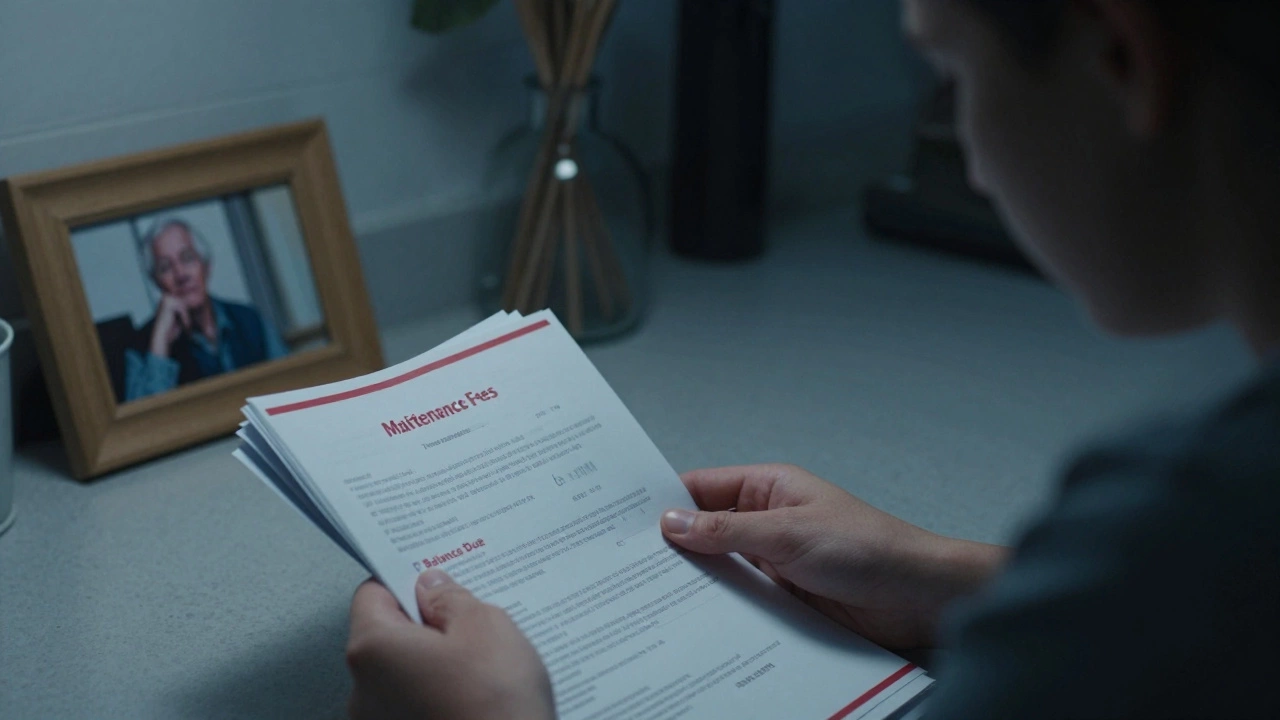
You’ve heard the horror stories. A parent passes away, leaving behind a house, a car, and maybe some savings. But they also leave behind a timeshare contract that nobody wants. Now, the adult children are getting calls from collection agencies or the resort management company demanding payment. The question is terrifyingly simple: Are children responsible for parents' timeshare debt?
The short answer, in most cases, is no. You do not automatically inherit your parent’s debts just because you inherited their assets. However, the reality of timeshares is messy. These contracts are designed to be sticky, and if you are not careful about how you handle the estate, you could end up paying out of pocket-or worse, inheriting a property obligation you can’t get rid of.
This isn’t just about money; it’s about legal responsibility, estate administration, and knowing when to walk away. Let’s break down exactly how this works, where the traps are, and what you need to do to protect yourself.
The General Rule: Debts Die with the Borrower
In most common law jurisdictions, including the United States, the United Kingdom, Canada, and New Zealand, there is a fundamental principle of debt law: individual debt does not transfer to heirs unless specific conditions are met. When your parent signed that timeshare agreement, they entered into a personal contract. That contract belongs to them, not to you.
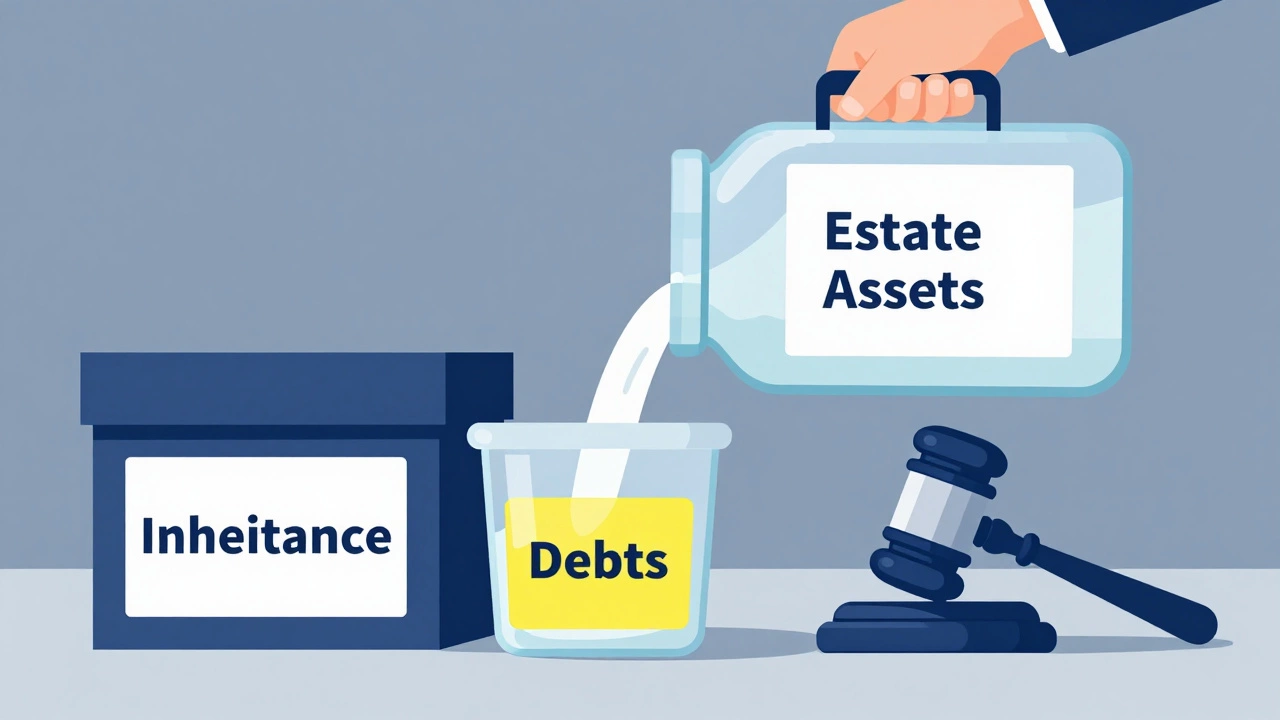
If your parent dies, their debt becomes a claim against their Estate is the total sum of all assets and liabilities owned by a person at the time of their death. The executor or administrator of the estate is responsible for paying off valid debts using the deceased’s assets before any inheritance is distributed to beneficiaries.
Here is how it usually plays out:
- Sufficient Assets: If the estate has enough cash or liquid assets (like a bank account or a sold home) to cover the timeshare maintenance fees and loan balance, the estate pays the debt. You receive the remaining inheritance, free and clear.
- Insufficient Assets: If the estate runs out of money before paying the timeshare debt, the creditor (the timeshare company or bank) generally takes a loss. They cannot come after you personally for the difference.
This protection exists because you did not sign the contract. You are not a co-signer. Therefore, you have no legal obligation to pay.
The Exceptions: When You Might Be on the Hook
While the general rule protects you, there are three specific scenarios where you could become financially liable for your parent’s timeshare obligations. It is crucial to identify which one applies to your situation immediately.
1. You Were a Co-Signer or Joint Owner
Did you sign the original purchase contract? Did you add your name to the title later as a joint owner? If yes, you are legally bound to the debt. In many timeshare purchases, parents encourage adult children to co-sign to secure financing or to ensure the “family legacy” continues. In this case, the debt survives the parent’s death because you are still a primary obligor on the contract.
2. Community Property States
If you live in one of the nine community property states in the U.S. (Arizona, California, Idaho, Louisiana, Nevada, New Mexico, Texas, Washington, and Wisconsin), the rules change slightly. In these states, debts incurred during the marriage are often considered community debts. If you were married to the deceased parent, you might be responsible for half of the debt, depending on state law and whether the debt was used for family benefit. This rarely applies to adult children, but it is a critical distinction for spouses.
3. Probate Court Errors
This is the most dangerous trap. If you are the executor of the estate and you distribute assets to beneficiaries (including yourself) before paying off the creditors, you can be held personally liable. Imagine this scenario: Your parent dies. You sell their house, put $50,000 in your own bank account, and then realize there is an unpaid timeshare loan of $20,000. Because you distributed the estate funds improperly, the court may force you to repay that $20,000 from your personal pocket. Always pay debts first, then distribute assets.
Timeshares vs. Traditional Mortgages: Why It’s Different
A traditional mortgage is secured by real estate. If the borrower dies and the estate can’t pay, the bank forecloses. The house is sold, the bank gets paid, and everyone moves on. Timeshares are different. They are often deeded interests, right-to-use contracts, or points-based systems. They are notoriously difficult to sell.
When a parent dies, the timeshare doesn’t just disappear. It passes to the estate. The estate now owns a vacation week or points that cost hundreds or thousands of dollars a year in maintenance fees. Most families don’t want it. They try to abandon it. But you can’t simply stop paying maintenance fees without consequences.
| Scenario | Who Pays? | Risk Level |
|---|---|---|
| Child is sole beneficiary, not co-signer | The Estate | Low (if handled correctly) |
| Child is co-signer/joint owner | The Child (and Estate) | High |
| Estate has no assets | Creditor absorbs loss | None for child |
| Executor distributes assets early | Executor personally | Critical Risk |
The Hidden Trap: Maintenance Fees and Special Assessments
Even if you aren’t liable for the original purchase price, the timeshare contract likely requires annual maintenance fees. These fees go up every year. If the estate holds the timeshare for even six months while probate is ongoing, those fees accrue.
Worse, resorts often charge special assessments for major repairs-new roofs, pool renovations, etc. If the estate ignores these bills, the resort can place a lien on the timeshare unit. This makes it impossible to sell or transfer the deed cleanly. If you plan to gift the timeshare to a sibling who actually wants to use it, you must bring it current on payments first. Otherwise, you’re handing them a poisoned chalice.
How to Handle an Inherited Timeshare: A Step-by-Step Guide
If you find yourself dealing with a deceased parent’s timeshare, follow these steps to avoid financial liability.
- Do Not Make Payments Yet: Before writing a single check, determine the status of the estate. Do not pay maintenance fees from your personal account. If the estate has funds, those should be used. If you pay personally, you may lose the ability to reclaim that money from the estate later.
- Review the Contract: Look for clauses regarding death, disability, or transfer. Some modern contracts have a “Death Clause” that allows the heir to surrender the timeshare within a certain period (e.g., 6-12 months) without penalty. This is rare but valuable.
- Contact the Resort Management Company: Notify them of the death. Ask for a statement of all outstanding balances, including past-due maintenance fees and special assessments. Get everything in writing.
- Determine the Value: Is the timeshare worth keeping? Most timeshares have negative resale value. If no one in the family wants to use it, your goal should be to remove it from the estate as quickly as possible.
- Explore Cancellation Options:
- Resort Buyback: Very few resorts buy back timeshares, and only at a steep discount. Ask anyway.
- Gift Transfer: Can you give it to a friend or relative who will use it? Many resorts allow this, but they may charge a transfer fee and require the new owner to qualify financially.
- Listing Services: You can list it on resale markets, but expect to wait years or accept a very low offer.
- Avoid “Exit Companies”: This is critical. There are many companies that promise to “exit” your timeshare for a fee. The vast majority are scams. They take your money, delay the process, and eventually vanish. The Federal Trade Commission (FTC) and various state attorneys general have issued numerous warnings about these schemes. Never pay upfront fees to exit a timeshare.

What If the Estate Has No Money?
If your parent died with significant debt and little to no assets, the estate is insolvent. In this case, the timeshare company is just another unsecured creditor. They will file a claim against the estate. The probate court will reject the claim if there are no funds to pay it.
The timeshare company may continue to call you. They may send threatening letters. They may even sue the estate. But they cannot garnish your wages or seize your personal bank accounts. If they harass you, cite the Fair Debt Collection Practices Act (FDCPA) in the U.S. or equivalent consumer protection laws in your country. Tell them in writing that you are not liable for the debt and request that they cease communication with you personally, directing all correspondence to the estate’s attorney.
Preventing This for Future Generations
If you currently own a timeshare, consider whether you want your children to inherit this burden. You can take steps now to prevent future conflict:
- Update Your Will: Explicitly state in your will that the timeshare is to be excluded from the estate or gifted to a specific person who agrees to assume the costs.
- Transfer During Lifetime: If a family member wants to use the timeshare, transfer the deed to them while you are alive. This clarifies ownership and liability immediately.
- Cancel Before Death: If you no longer use the timeshare, start the exit process now. Don’t leave it as a problem for your heirs.
Summary: Protecting Yourself
Children are generally not responsible for their parents’ timeshare debt. The debt belongs to the estate. However, you must act carefully. Do not co-sign, do not make personal payments, and do not distribute estate assets before settling debts. If the estate is broke, let the creditor eat the loss. If you are a co-owner, you are on the hook, so seek legal advice immediately. And above all, beware of exit scams that prey on grieving families.
Timeshares are complex financial instruments that often turn into emotional burdens. By understanding the legal boundaries between personal liability and estate responsibility, you can navigate this situation with confidence and keep your own finances safe.
Can a timeshare company sue my children for unpaid fees?
A timeshare company can sue the estate of the deceased parent for unpaid fees. They generally cannot sue the children personally unless the children were co-signers on the original contract or jointly owned the timeshare. If the estate has no assets, the lawsuit will likely result in a judgment for the creditor, but they will have no way to collect money from the children.
Does the statute of limitations apply to timeshare debt after death?
Yes, statutes of limitations vary by jurisdiction but typically range from 3 to 6 years for contractual debts. However, probate courts often have specific deadlines for creditors to file claims against an estate (usually 3 to 9 months after the death). If the timeshare company misses the probate deadline, they may be barred from collecting, regardless of the general statute of limitations.
What happens if I refuse to inherit the timeshare?
You can formally disclaim the inheritance of the timeshare. This means you reject that specific asset. The timeshare then falls back to the estate or passes to the next eligible beneficiary. Disclaiming prevents you from taking ownership, but it does not erase the debt from the estate. The estate is still responsible for paying off the contract before closing.
Are timeshare exit companies legitimate?
Most timeshare exit companies are not legitimate. Many are scams that charge high upfront fees and fail to deliver results. Legitimate legal counsel may help with cancellation, but they typically work on contingency or hourly rates, not large upfront “guaranteed exit” fees. Always verify any company with your local Better Business Bureau or Attorney General’s office before paying anything.
Can I sell the inherited timeshare to pay off the debt?
Yes, but it is difficult. The secondary market for timeshares is saturated, and resale values are often far below the original purchase price. You may need to sell at a significant loss. Alternatively, you can look for buyers who are willing to assume the existing contract, though this requires approval from the resort management company.
Corbin Fairweather
I am an expert in real estate focusing on property sales and rentals. I enjoy writing about the latest trends in the real estate market and sharing insights on how to make successful property investments. My passion lies in helping clients find their dream homes and navigating the complexities of real estate transactions. In my free time, I enjoy hiking and capturing the beauty of landscapes through photography.
view all postsWrite a comment