
Shared Ownership Inheritance Risk Checker
Step 1: How is the property owned?
Check your Land Registry title deeds or ask your solicitor to confirm your ownership type.
Your Inheritance Risk Assessment
Risk Level:
What This Means:
Recommended Actions:
Legal Protections Available:
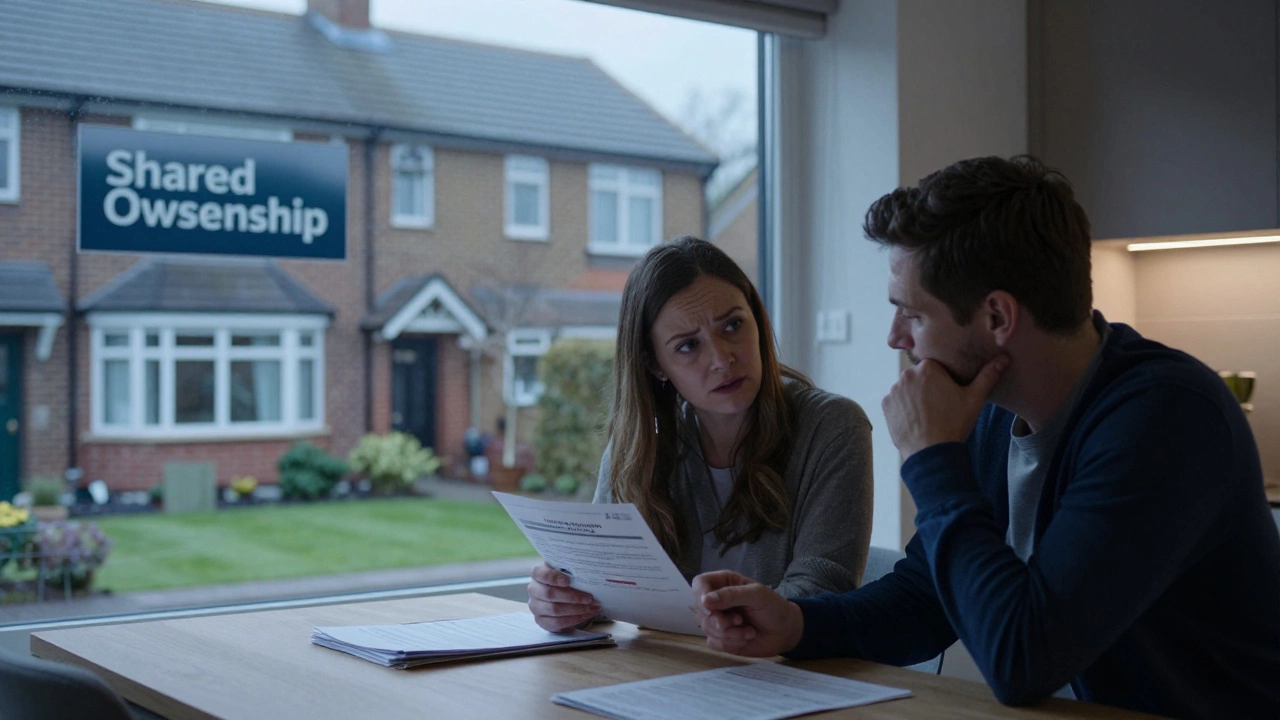
Imagine this: you spend years building equity in a home through a shared ownership scheme, only to find that your spouse has been completely excluded from the estate after a sudden passing. It sounds like a nightmare scenario from a legal drama, but for many couples living in shared equity properties across the UK, it is a very real fear. The short answer to whether a husband can leave his wife out of his will is yes, he legally can-but the outcome depends entirely on how the property is owned and what laws apply in your jurisdiction.
If you are navigating the complexities of shared ownership, understanding the intersection of family law, property tenure, and inheritance statutes is not just smart; it is essential for protecting your future. This guide breaks down exactly what happens when a will excludes a surviving spouse, specifically within the context of shared equity housing.
How Shared Ownership Structures Affect Inheritance
To understand who gets what, we first need to look at the structure of the property itself. Shared ownership works differently than standard freehold or leasehold purchases. In most cases, you own a percentage of the property outright, while a housing association owns the rest. You pay rent on their share and mortgage on yours.
The critical factor here is how your share is held. There are two main ways:
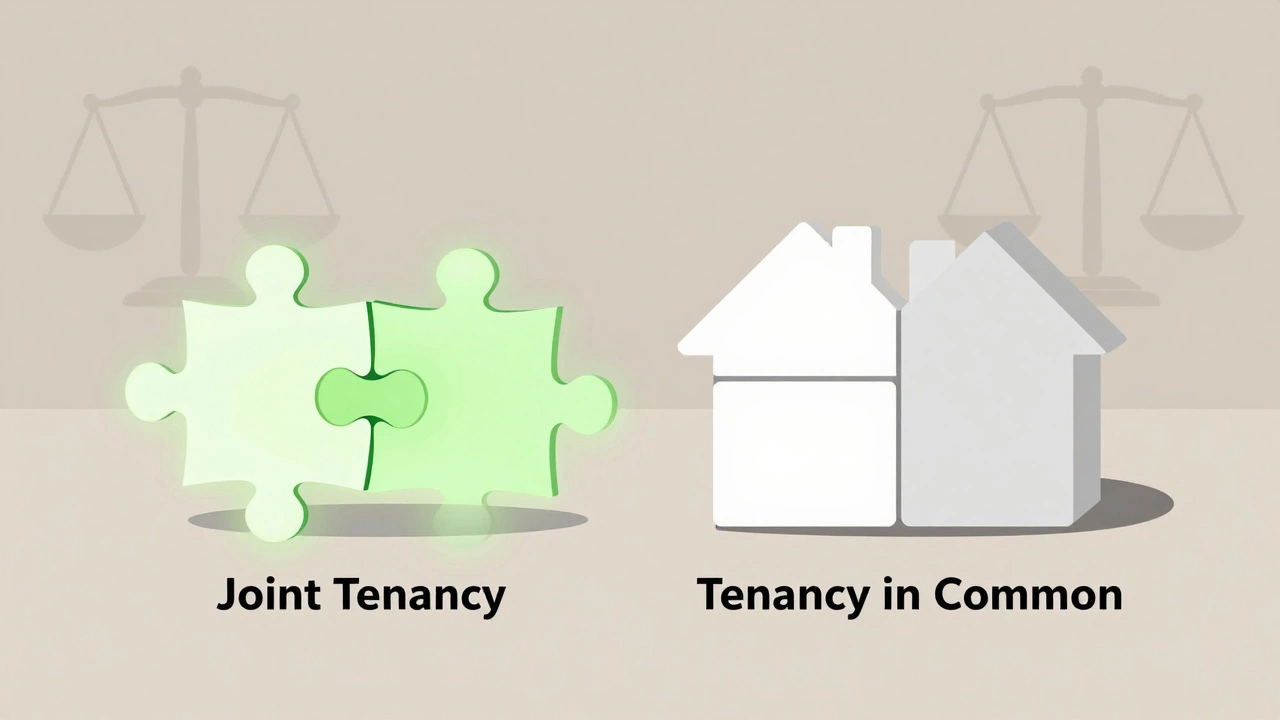
- Joint Tenancy: If you and your partner hold your shares as joint tenants, the right of survivorship applies. This means if one person dies, their share automatically passes to the other. No will is needed for this portion. The surviving spouse simply inherits the deceased's stake instantly.
- Tenancy in Common: If you hold shares as tenants in common, each person’s share is distinct. Your share goes according to your will. If you have no will, it goes according to intestacy laws. This is where things get complicated if one spouse tries to exclude the other.
Many shared ownership agreements require you to be on the title together, often as joint tenants, especially if you bought the home during your marriage. However, some schemes allow individual ownership. If you are a tenant in common, a husband *can* technically write a will that leaves his share to someone else-perhaps a child from a previous relationship or a friend.
Statutory Protections for Spouses in the UK
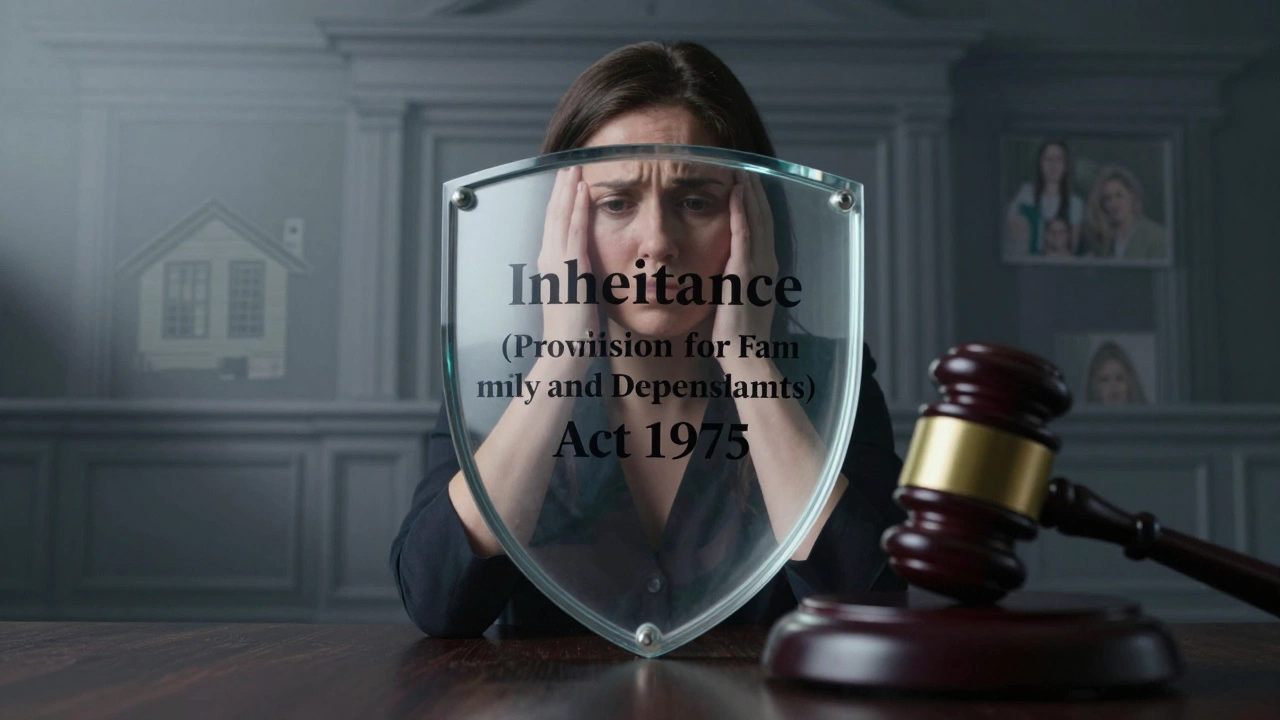
Even if a husband writes a will excluding his wife, she is not necessarily powerless. In England and Wales, the Inheritance (Provision for Family and Dependants) Act 1975 provides a safety net. This law allows spouses, civil partners, and cohabitants to make a claim against the estate if they believe they have not been reasonably provided for.
Courts generally expect that a surviving spouse should receive enough from the estate to maintain a standard of living similar to what they had during the marriage. This includes access to a suitable home. If the husband left his share of the shared ownership property to a third party, the court may order that the asset be transferred to the wife, or that cash compensation be paid from the rest of the estate.
However, this process is not automatic. The wife must file a claim within six months of the grant of representation being issued. Missing this deadline can close the door on legal recourse forever. Furthermore, litigation is expensive and emotionally draining. It is far better to address these issues proactively through proper estate planning rather than relying on court intervention after a death.
Intestacy Rules: When There Is No Will
What if there is no will at all? This is called dying intestate. Under current intestacy rules in England and Wales, the surviving spouse inherits everything if the estate is below a certain threshold (£325,000). Above that amount, the spouse receives personal possessions, a fixed sum (£325,000), and half of the remaining estate. The other half goes to children or other descendants.
In the context of shared ownership, the "estate" usually refers to the value of the homeowner’s share. If the house is worth £400,000 and the couple owns 50% jointly, the individual share might be valued at £100,000. If held as tenants in common, that £100,000 becomes part of the estate. If the husband dies without a will, his wife would likely inherit most or all of that share, depending on whether there are children involved.
But again, if he *did* leave a will excluding her, those default protections vanish. That is why having a clear, updated will is crucial-even in shared ownership arrangements where emotions run high and assumptions about automatic inheritance are common.
Common Pitfalls in Shared Ownership Wills
Many people assume that because they live together and share bills, their assets will naturally pass to each other. This assumption leads to several dangerous mistakes:
- Outdated Wills: A will written before buying the shared ownership home may not reflect current circumstances. If the property was purchased after the will was made, it may not be explicitly mentioned, leading to ambiguity.
- Ignoring Housing Association Rules: Some shared ownership agreements include clauses about succession. These may restrict who can inherit the share or require the new owner to meet affordability criteria. Failing to check these terms can invalidate intended transfers.
- Assuming Joint Tenancy Applies: Not all shared ownership deeds specify joint tenancy. Some register owners individually. Without verifying the Land Registry title, you cannot assume survivorship rights exist.
- Overlooking Debts: The estate must settle debts before distributing assets. If the husband had significant debt, the value available to distribute could be minimal, regardless of who is named in the will.
These pitfalls highlight why professional advice is non-negotiable. A solicitor specializing in property and probate law can review your deed, assess your will, and ensure compliance with both local regulations and housing association policies.
Practical Steps to Protect Your Position
If you are concerned about being left out of a will, take action now. Here are concrete steps you can take:
- Check the Title Deeds: Determine if you are registered as joint tenants or tenants in common. Visit the HM Land Registry website to request an official copy of the title register. Look for Section A (Property Details) and Section B (Proprietorship Information).
- Review Existing Wills: Ask your partner if they have a will. If they do, consider creating mirror wills-identical documents that leave everything to each other. Mirror wills are common among married couples and provide clarity.
- Discuss Openly: Have honest conversations about end-of-life plans. Many avoid this topic due to discomfort, but silence increases risk. Frame it as mutual protection, not distrust.
- Consult a Solicitor: Engage a qualified solicitor experienced in shared ownership and estate planning. They can draft legally binding documents tailored to your situation and advise on potential claims under the 1975 Act.
- Update Regularly: Life changes-marriage, divorce, births, deaths-should trigger will reviews. Set a reminder every three to five years to reassess your estate plan.
By taking these steps, you reduce uncertainty and increase control over your financial future. Remember, prevention is always cheaper and less stressful than litigation.
Comparison Table: Ownership Types & Inheritance Outcomes
| Ownership Type | Automatic Survivorship? | Will Controls Share? | Spouse Protection via Law? |
|---|---|---|---|
| Joint Tenancy | Yes | No (for shared portion) | Not needed (auto-transfer) |
| Tenancy in Common | No | Yes | Yes (via Inheritance Act 1975) |
| Sole Ownership (Individual) | No | Yes | Yes (via Inheritance Act 1975) |
FAQ: Frequently Asked Questions
Can my husband legally leave me out of his will if we own a shared ownership home?
Yes, he can legally exclude you from his will. However, if you are married or in a civil partnership, you may still have rights to claim against the estate under the Inheritance (Provision for Family and Dependants) Act 1975. The success of such a claim depends on factors like length of marriage, financial needs, and size of the estate.
Does joint tenancy mean I automatically inherit my husband’s share?
If you are registered as joint tenants on the title deeds, yes-their share passes to you automatically by operation of law, bypassing the will entirely. Check your Land Registry document to confirm your status.
What happens if my husband dies without a will?
He dies intestate. In England and Wales, the surviving spouse typically inherits personal effects, up to £325,000, and half the remainder of the estate. Children inherit the other half. For shared ownership, this applies to the value of his individual share.
Can I force the sale of a shared ownership property if I’m excluded?
It depends on the housing association’s rules and the nature of ownership. If you are a joint tenant, you become sole owner of the combined share. If you are a tenant in common and excluded, you may need to apply to court for partition or sale, which can be complex and costly.
Should I create a mirror will with my husband?
Mirror wills are a good option for couples who want to ensure each other inherits everything. They simplify estate administration and reduce confusion. However, consult a solicitor to ensure they align with your specific property arrangement and long-term goals.
How much does it cost to challenge a will?
Costs vary widely but often exceed £10,000-£20,000 including legal fees, court costs, and expert witnesses. Success is not guaranteed, and outcomes depend heavily on evidence of reasonable provision. Prevention through proper will drafting is far more economical.
Are there differences between Scotland and England regarding spousal inheritance?
Yes. Scottish law grants spouses stronger automatic rights, including a minimum entitlement known as 'legal rights' regardless of the will. English law relies more on discretionary claims under the 1975 Act. Always seek jurisdiction-specific advice.
Can a housing association block inheritance of a shared ownership share?
Some housing associations have restrictions on who can inherit, particularly if the heir doesn’t meet affordability or residency criteria. Review your lease agreement carefully. Legal counsel can help interpret these clauses and negotiate alternatives if necessary.
Next Steps Based on Your Situation
Your next move depends on your current position:
- If you’re newly married or recently bought a shared ownership home: Create mirror wills immediately. Confirm joint tenancy status with your solicitor.
- If you suspect your partner has excluded you: Request a copy of their will. Consider independent legal advice to explore options under the 1975 Act.
- If you’re divorced or separated: Update your will promptly. Previous relationships don’t automatically lose inheritance rights unless formally revoked.
- If you’re a single parent sharing ownership with a partner: Clarify intentions clearly. Children’s interests must be balanced with partner’s rights. Trust structures may offer flexibility.
Remember, knowledge is power. Understanding your rights empowers you to act decisively. Don’t wait until it’s too late-protect yourself today.
Corbin Fairweather
I am an expert in real estate focusing on property sales and rentals. I enjoy writing about the latest trends in the real estate market and sharing insights on how to make successful property investments. My passion lies in helping clients find their dream homes and navigating the complexities of real estate transactions. In my free time, I enjoy hiking and capturing the beauty of landscapes through photography.
view all postsWrite a comment