Shared Ownership: How It Works and How to Get Started

Did you know that more than a quarter of people who can’t afford a full‑price home jump into shared ownership? It lets you buy a slice of a house and rent the rest, lowering the cash you need up front.

What Shared Ownership Actually Means

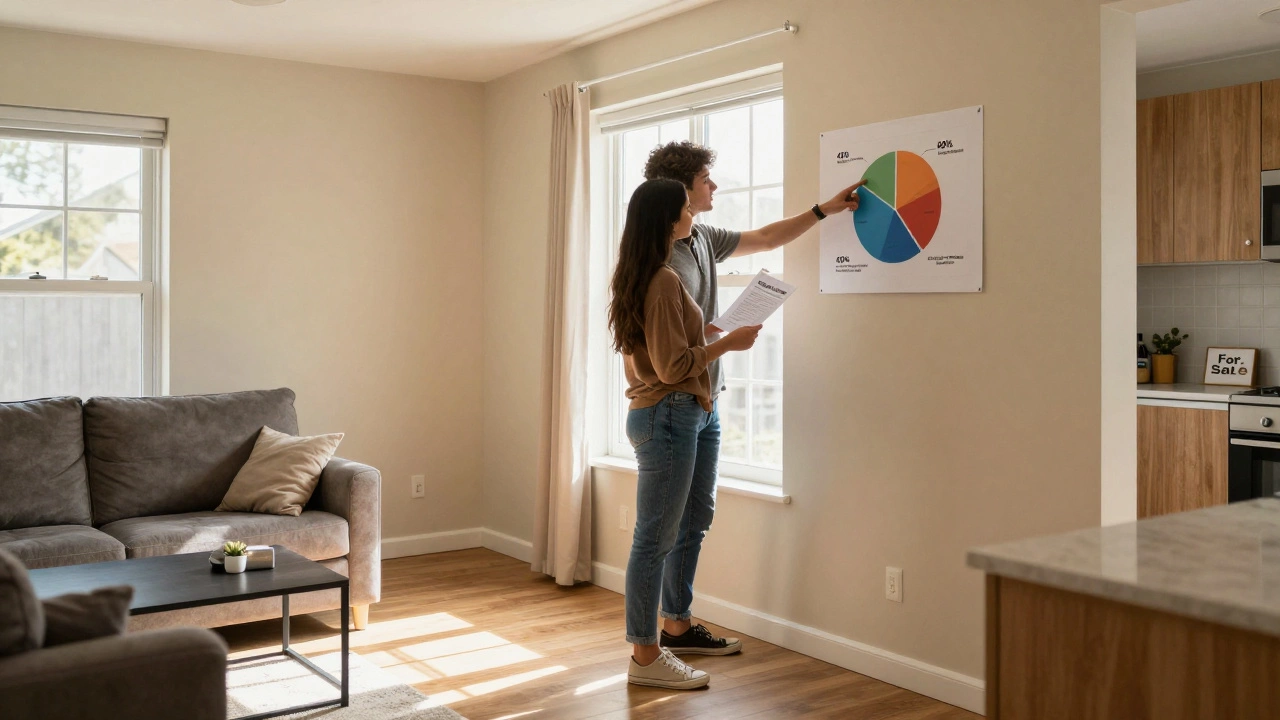
In a shared‑ownership deal you purchase between 25 % and 75 % of a property. The remaining share stays with a housing association or private developer, and you pay rent on that part. You own the share you bought outright, so you can sell it later or buy more shares – a process called “staircasing”.

The loan you take only covers the part you own, so monthly payments are usually lower than a standard mortgage. You also still have to cover council tax, utilities and maintenance, but the rent on the rest of the house is often below market rates.

Steps to Find and Secure a Shared‑Ownership Home

First, check if you’re eligible. Most schemes require you to be a first‑time buyer, have an annual household income under £80,000 (or £90,000 in London) and not own another property.

Next, start browsing listings. Our site lets you filter for shared‑ownership homes, choose the percentage you want to buy and see the rent you’ll pay on the remaining share. When you find a place you like, arrange a viewing just like any other property.

If you decide to go ahead, the next step is to get a mortgage for the share you’ll own. Many lenders have specific shared‑ownership products, so it’s worth comparing a few. You’ll also need a valuation of the whole property, not just your share.

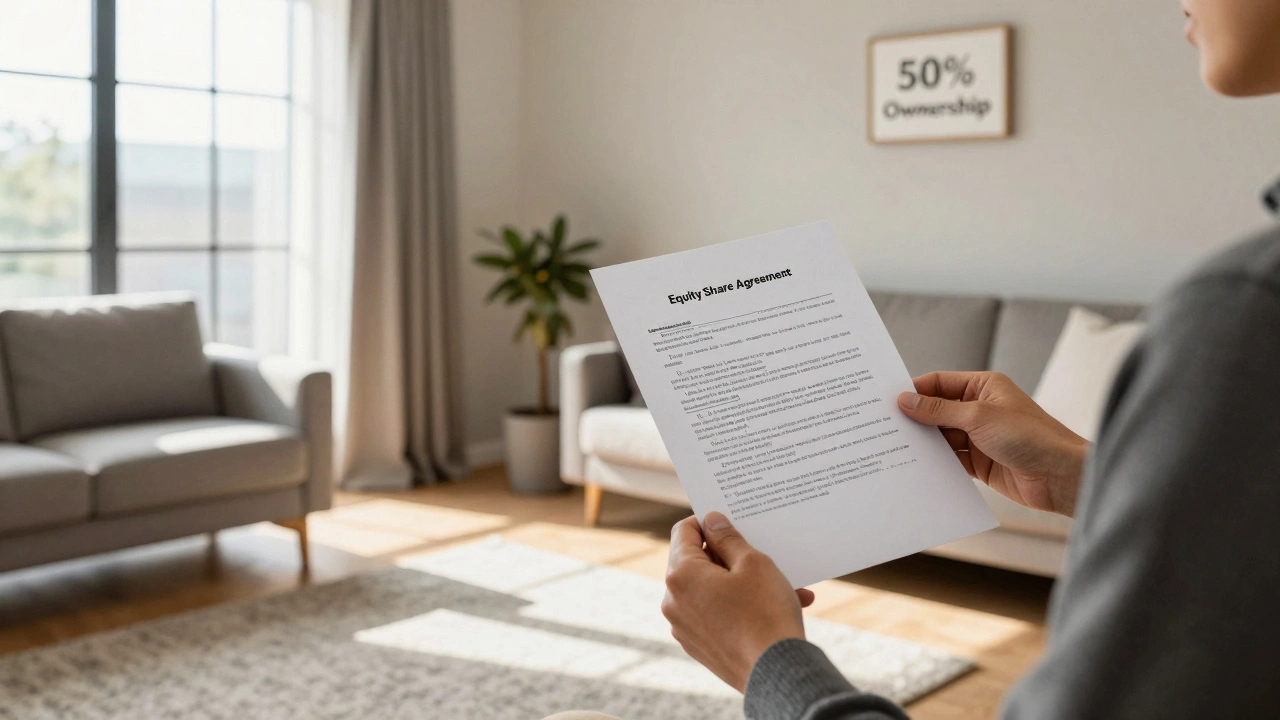
After the mortgage is approved, you’ll sign a lease‑hold agreement with the housing association. This contract outlines your rights, the rent you’ll pay, and how you can staircase up later. Read it carefully – ask a solicitor any question you’re unsure about.

Finally, move in! You’ll pay a mortgage on your share, rent on the rest, and any service charges that apply. Over time, if you want to own more of the house, you can buy additional shares whenever you can afford it.

Remember, shared ownership isn’t a free‑pass to cheap housing. The rent can increase, and selling your share may take longer than a normal resale. But for many, it’s a realistic way to step onto the property ladder without a huge deposit.

Ready to explore shared‑ownership options? Use the search bar above to filter listings, compare prices, and see how much you could save compared to buying outright. Take the first step today and turn a fraction of a house into your own home.


What Is a Share of Ownership Called in Shared Ownership Homes?
8 Jan

A share of ownership in a shared ownership home is called an equity share. It lets you buy part of a property while paying rent on the rest, offering a path to homeownership without needing a full deposit.

What Are the Downsides of Fractional Ownership in Real Estate?
5 Jan

Fractional ownership offers access to luxury homes without full-price ownership, but hidden fees, inflexible scheduling, and poor resale value make it a risky choice for most buyers.

Is it better to take owner's draw or salary in a shared ownership home?
1 Jan

In shared ownership homes, choosing between owner's draw and salary affects taxes, fairness, and legal compliance. Learn why salary is usually the smarter, safer choice for co-owners doing work.

Why Is ESOP Risky for Shared Ownership Homebuyers?
22 Dec

ESOP shared ownership schemes may seem like an affordable path to homeownership, but hidden fees, limited control, and risky resale terms can trap buyers. Learn why this model often costs more than it saves.

Do You Pay Monthly for Timeshare? Here’s Exactly What You’ll Owe
15 Dec

Timeshares aren't free vacations - you pay monthly maintenance fees, often $100-$200, even if you never use the property. Learn what you're really signing up for and why most owners regret it.

How to Live in a Shared House: Practical Tips for Harmony and Fairness
14 Dec

Learn how to live harmoniously in a shared house with practical tips on splitting costs, setting rules, communicating effectively, and handling changes. Essential for anyone in shared ownership or co-living situations.

Does Owning Shares Make You an Owner in Shared Ownership Homes?
4 Dec

Owning shares in a shared ownership home doesn't mean you're a full owner. You pay rent on part of the property, follow strict rules, and face barriers when selling or upgrading. Here's what it really means to own a share.

What Are the Cons of Home Sharing? Hidden Drawbacks You Can't Ignore
23 Nov

Home sharing might seem like a smart way to buy property, but hidden risks like legal disputes, credit damage, and loss of control can make it a financial and emotional trap. Here’s what no one tells you.

What Do Shares of Ownership Mean in Shared Ownership Homes?
20 Nov

Shared ownership lets you buy a portion of a home-like 25% or 50%-and pay rent on the rest. It’s a path to homeownership for those who can’t afford a full purchase, with the option to buy more shares over time.

How to Calculate Share Ownership in Shared Ownership Homes
18 Nov

Learn how to calculate your share ownership in shared ownership homes, how staircasing works, rent calculations, fees, and what happens when you sell. Essential for first-time buyers in New Zealand.

What Happens When a Timeshare Owner Dies?
30 Oct

When a timeshare owner dies, the property doesn't disappear-it becomes a financial burden for heirs. Learn what happens next, how to disclaim inheritance, and how to avoid costly mistakes.

3 Key Disadvantages of Shared Ownership Homes
22 Oct

Explore the three main drawbacks of shared ownership homes, from limited resale value to extra rent and complex agreements, and learn how to manage them.