
Fractional Ownership Cost Calculator
Understand the true cost of fractional ownership
This calculator reveals the hidden fees and true costs most programs don't disclose. Compare against renting or timeshares to see if it's worth the sacrifice.
Your Fractional Ownership Costs
Comparison Alternatives
Results
Fractional ownership sounds like a smart way to get into real estate without paying full price. You buy a share-maybe 1/4 or 1/8-of a vacation home or luxury condo, get guaranteed time to use it, and split maintenance costs with others. It’s marketed as the golden middle ground between renting and owning. But behind the glossy brochures and Instagram-worthy pools, there are real headaches most sellers won’t tell you about.
You don’t really own the property
When you buy a fraction of a home, you don’t own the house. You own a contract. That contract gives you the right to use the property during certain weeks, but you have zero control over what happens to it the rest of the time. If another owner wants to rent out their time on Airbnb, they can. If the management company decides to upgrade the kitchen and raise fees, you pay-even if you never use the kitchen. You’re stuck with rules made by a board you didn’t elect, and you can’t even sell your share without their approval.
Real ownership means you can paint the walls, install a new shower, or fix a leaky roof when you want. With fractional ownership, you’re a tenant with a fancy deed. And if the property loses value? You still pay your share of the taxes, insurance, and HOA fees. No equity upside if the market dips-just higher costs and fewer perks.
Hidden costs add up fast
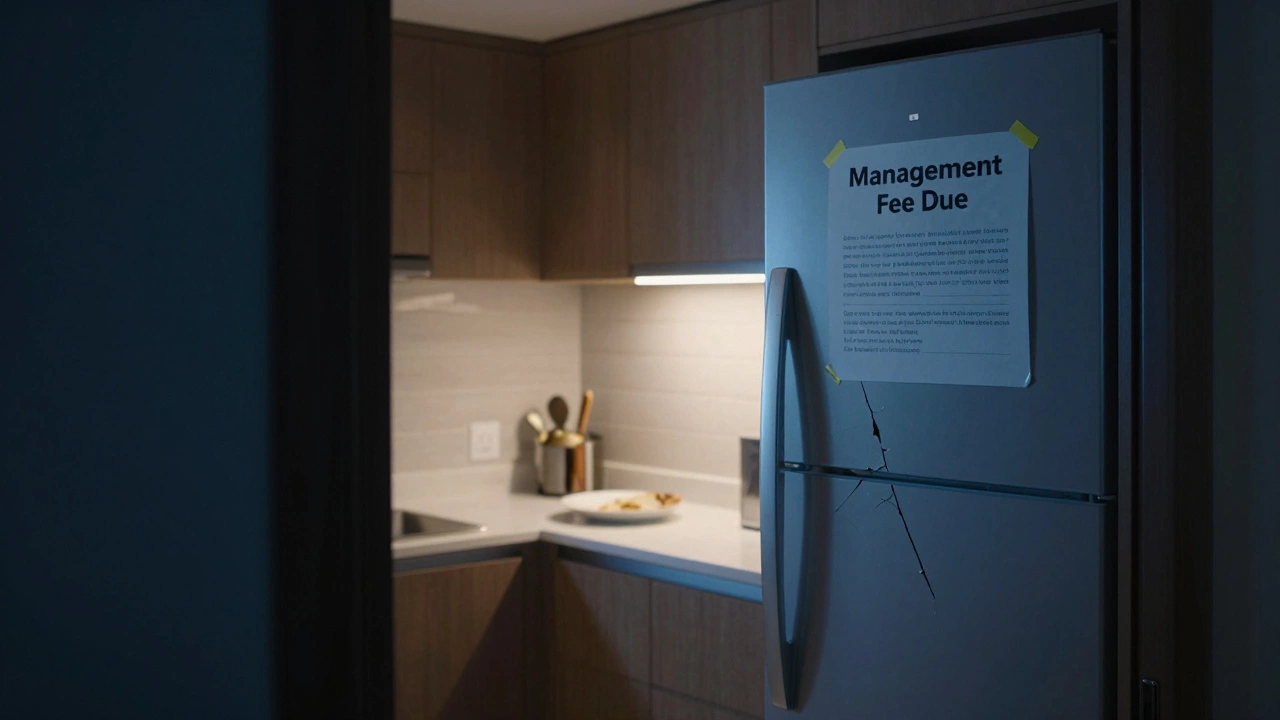
The monthly fee you see in the brochure? That’s just the start. Most fractional ownership programs charge a base management fee, then layer on cleaning fees, utility surcharges, maintenance reserves, and seasonal service charges. One owner in Lake Tahoe paid $1,800 a year in base fees, but ended up spending $4,200 total after mandatory cleaning, parking passes, and emergency plumbing repairs.
And here’s the kicker: you pay these fees whether you use the property or not. If you miss your two-week window because of work, illness, or a family emergency, you still pay. No refunds. No credits. No flexibility. Some programs even charge you for unused time slots you didn’t book-just because they’re locked into their scheduling system.
Conflict is inevitable
Sharing a home with strangers is like sharing a bathroom with roommates-except the roommates own part of your house. People have different standards. One owner might leave dirty dishes in the sink. Another might bring their dog even though pets are banned. Someone else might show up with six friends and turn your quiet mountain cabin into a party house.
There’s no landlord to call. No property manager who can kick someone out. You’re stuck in a homeowners association with no authority to enforce rules. Most fractional groups rely on goodwill-and goodwill runs out fast. I’ve seen cases where owners stopped paying fees after a dispute over noise, leading to liens on the property. The whole group got dragged into legal messes because one person refused to compromise.

Resale is a nightmare
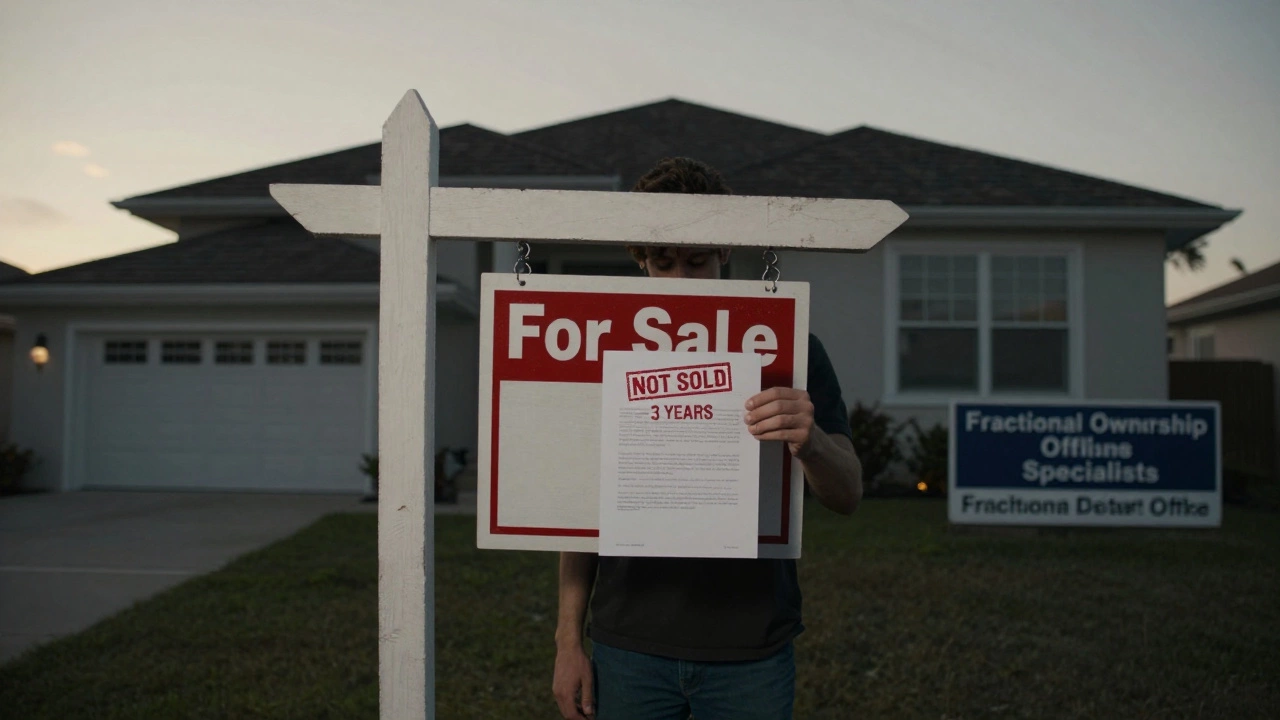
Trying to sell your share? Good luck. The market for fractional ownership is tiny. Unlike a whole house, you can’t list it on Zillow. You can’t get a traditional mortgage. Buyers are rare, and they’re picky. Most buyers want to know: Who are the other owners? What’s the track record? Has the property been well maintained?
And if the property’s value dropped? You might owe more than your share is worth. One owner in Aspen bought an 1/8 share for $250,000 in 2021. By 2024, the same share was appraised at $160,000. He tried to sell. No offers. He had to pay $12,000 in broker fees just to list it-and still couldn’t move it. He’s stuck paying $8,000 a year in fees for a property he can’t use and can’t sell.
You lose control over usage
Even if you pay your dues on time, you might not get the dates you want. Most fractional programs use a rotation system. You get priority in Year 1, then drop to the bottom in Year 2. Holidays, ski season, summer weekends? Those slots are snatched up fast. One family in Florida booked their 1/4 share for Christmas every year-until the management changed the rotation. Now they get the week after New Year’s, when the weather’s rainy and the pool’s closed.
Some programs let you trade weeks with other owners. But that’s only useful if someone else wants your dates. What if you want to go in July but everyone else is already booked? You’re out of luck. You can’t just book a hotel for a few nights-you’re locked into a rigid calendar that doesn’t care about your schedule.
Management companies aren’t always reliable
Most fractional ownership models rely on third-party management firms. They handle bookings, cleaning, repairs, and collections. But these companies come and go. Some are great. Many are underfunded, understaffed, or just in it for the fees.
I spoke with a group in Colorado whose management company vanished mid-winter. No one answered calls. The snow plow stopped coming. The hot tub broke. No one showed up to fix it. The owners had to pool $15,000 just to hire a temporary crew. And the company? Gone. No refund. No accountability. Their contract had no exit clause.
And when you do need repairs? You’re often stuck waiting. A broken HVAC system might take six weeks to fix because the management company schedules work in batches across all their properties. You can’t hire your own contractor. You can’t even get a quote. You just wait-and pay for the downtime.
It’s not a good investment
Most fractional ownership programs promise appreciation. But real estate doesn’t work that way when you own a sliver of it. You’re not buying land. You’re buying a membership. The value of your share doesn’t rise with the market-it rises with demand for the program itself. And demand is falling.
Post-pandemic, people realized they don’t need a second home. Remote work means they can stay in one place. Airbnb and vacation rentals are cheaper and more flexible. Fractional ownership is becoming a relic of the luxury boom.
According to data from the National Association of Fractional Ownership, resale volumes dropped 41% between 2022 and 2025. The average holding period for a share is now 7 years-up from 4 years in 2019. People are stuck. And when you’re stuck, you’re not building wealth. You’re just paying to keep a dream alive.
There are better alternatives
If you want to enjoy vacation homes without the hassle, there are better options. Renting a luxury condo on a monthly basis costs less than paying annual fees. A high-end Airbnb in the same location might cost $5,000 for a two-week stay. That’s less than half what you’d pay in annual fractional fees.
Or consider a timeshare resale. You can buy a week at a well-managed resort for under $10,000-no management fees, no forced maintenance payments, no locked-in schedules. Or just save up and buy a small property outright. Even a $150,000 studio condo gives you full control, full equity, and the freedom to rent it out when you’re not using it.
Fractional ownership isn’t evil. It works for a very small group: people who travel to the same place every year, have deep pockets, and get along with strangers. For everyone else? It’s a slow drain on money, time, and peace of mind.
Can you rent out your fractional share?
Usually not without permission. Most fractional ownership agreements prohibit subletting to protect the property’s exclusivity. Some allow it under strict rules-like only to family members or with advance approval. But even then, you’re often required to pay extra fees or split rental income with the management company. Always check your contract before trying to rent.
What happens if another owner stops paying?
If one owner defaults, the rest of the group usually has to cover the shortfall. Most contracts require all owners to guarantee the property’s operating costs. That means if someone walks away, you pay their share of taxes, insurance, or repairs. Some programs have reserve funds, but those often run out fast. Legal action is slow and expensive-most owners just end up paying more to keep the property afloat.
Is fractional ownership regulated?
It’s loosely regulated at best. In the U.S., fractional ownership falls under securities law if it’s marketed as an investment. But most companies avoid that by calling it a “membership” or “usage right.” That means you get little legal protection. No state agency monitors the quality of management, the fairness of schedules, or the honesty of sales pitches. Buyer beware.
Can you get a mortgage for fractional ownership?
Almost never. Traditional lenders won’t finance a fraction of a property because it’s not a whole asset. A few specialty lenders offer loans for high-end fractional shares, but they charge higher rates (often 7-9%), require 40-50% down, and have strict income requirements. Most buyers pay cash. If you’re counting on financing, you’re likely misinformed.
Are there tax benefits to fractional ownership?
Only if you use the property as a second home and meet IRS rules. You can deduct mortgage interest and property taxes, but only on your share. If you rent it out more than 14 days a year, you must report rental income and can’t claim personal use deductions. Many owners end up paying more in taxes than they save. Always consult a tax professional familiar with fractional property.
Bottom line: Is it worth it?
Fractional ownership looks good on paper. But in practice, it’s a complex, expensive, and often frustrating way to access luxury real estate. You trade freedom for convenience-and end up paying more for less control. Unless you’re a high-net-worth individual who uses the property every single year and trusts everyone else in the group, it’s not worth the risk.
There are simpler, cheaper, and more flexible ways to enjoy vacation homes. Don’t let the allure of ownership blind you to the reality: you’re not buying property. You’re buying a complicated contract with hidden costs and zero escape hatch.
Corbin Fairweather
I am an expert in real estate focusing on property sales and rentals. I enjoy writing about the latest trends in the real estate market and sharing insights on how to make successful property investments. My passion lies in helping clients find their dream homes and navigating the complexities of real estate transactions. In my free time, I enjoy hiking and capturing the beauty of landscapes through photography.
view all postsWrite a comment