

Real Estate Budget Calculator
Your Financial Profile
Results Overview
Breakdown of Your Budget
Walking into a real estate office with $50,000 in your pocket feels like trying to buy a sports car with the price of a used bicycle. In most major cities across the United States and other developed nations, that amount barely covers the down payment on a modest starter home. But if you are asking what house you can actually *buy*-meaning take ownership of, not just rent-the answer is yes, but it requires looking in places where others aren’t.
The market has shifted significantly by mid-2026. While coastal hubs remain out of reach for this budget, rural America, parts of the Midwest, and specific distressed markets still offer deed-in-hand opportunities for five figures or less. This isn't about finding a dream mansion; it’s about securing an asset, building equity, and getting your foot in the door of homeownership. Let’s break down exactly what you can get, where to find it, and the hidden costs that could derail your plan.
The Reality of the $50,000 Budget
First, let’s be brutally honest about the numbers. A $50,000 budget is a fixed financial limit for purchasing real estate typically restricts you to properties that need significant work or are located in areas with declining population trends. You are competing against cash buyers, investors, and local residents who understand the value of these hidden gems.
In many cases, you won’t be buying a "house" in the traditional sense of a move-in-ready suburban split-level. Instead, you are likely looking at:
- Fixer-Uppers: Properties with structural issues, outdated systems, or cosmetic nightmares.
- Rural Land with Structures: Small cabins, mobile homes, or barn conversions on acreage.
- Tiny Homes: Factory-built units placed on leased land (though owning the land is key here).
- Auction Properties: Foreclosures or tax lien sales where bidding wars are rare due to condition.
The key mindset shift is viewing the property as a project, not a finished product. Your $50,000 buys the potential, not the polish.
Where to Find Houses Under $50,000
Geography is everything when your budget is tight. You need to target regions with high inventory and low demand. Here are the primary markets where $50,000 still gets you keys in 2026:
| Region | Typical Property Type | Average Price Range | Key Consideration |
|---|---|---|---|
| Appalachia (KY, WV, TN) | Vintage Farmhouses, Cabins | $10,000 - $45,000 | Steep terrain, limited cell service |
| Rural Midwest (IA, NE, KS) | Small Ranches, Mobile Homes | $20,000 - $50,000 | Harsh winters, aging infrastructure |
| Detroit & Surrounding Areas (MI) | Bungalows, Vacant Lots | $5,000 - $30,000 | High property taxes, neighborhood volatility |
| Oklahoma (Rural Counties) | Farmsteads, Older Homes | $15,000 - $40,000 | Tornado risk, remote locations |
| Puerto Rico (Interior Towns) | Concrete Structures | $30,000 - $50,000 | Hurricane risk, title complexities |
These areas often suffer from population decline, which drives prices down. For a first-time buyer, this means less competition. However, you must be willing to relocate to a community that may lack urban amenities like hospitals, schools, or grocery stores within a short drive.
Financing Challenges: The Cash Trap
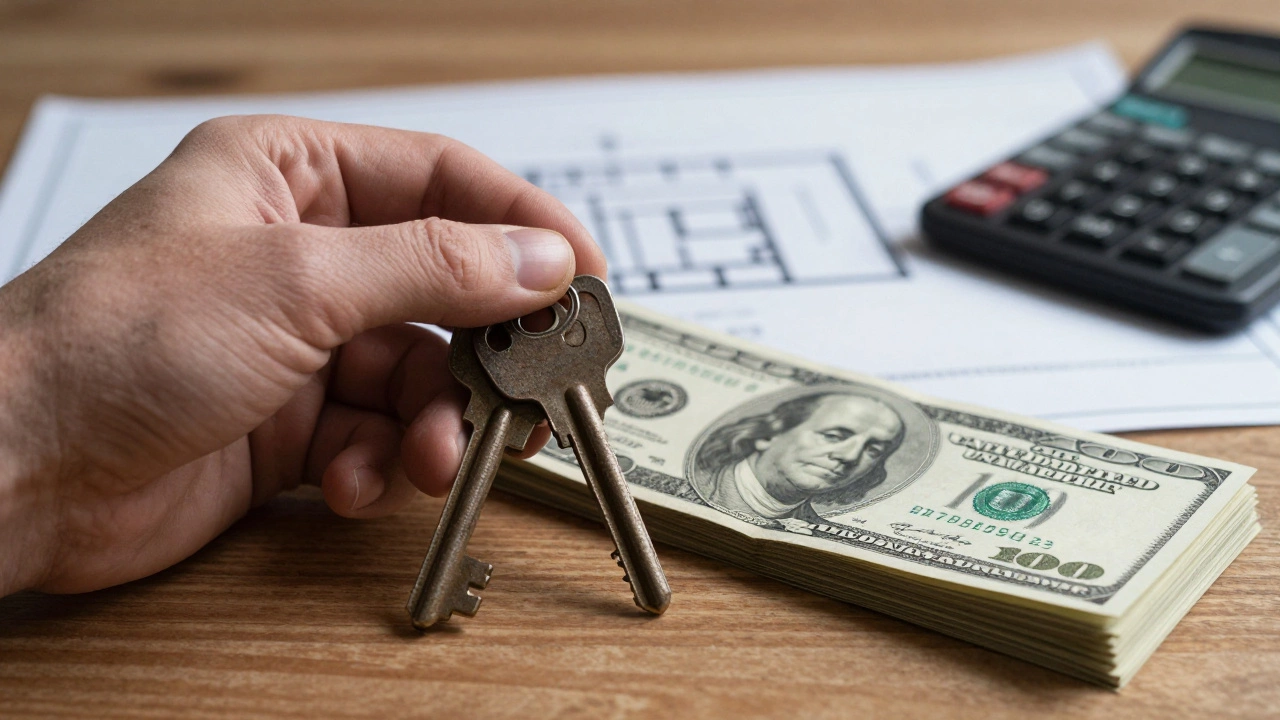
Here is the biggest hurdle: banks hate lending small amounts. Getting a conventional mortgage for a $40,000 house is nearly impossible because the loan fees alone eat up too much of the principal. Lenders view these transactions as high-risk and low-reward.
This forces most buyers in this bracket to use one of three financing methods:
- All-Cash Purchase: If you have $50,000 saved, you pay outright. This makes you an attractive buyer to sellers tired of waiting for bank approvals.
- Owner Financing: You make payments directly to the seller. They act as the bank. This requires negotiation skills and a solid contract, but it bypasses traditional underwriting.
- FHA Loans (With Caveats): FHA loans allow down payments as low as 3.5%, but they require the home to meet strict safety and habitability standards. Many sub-$50k homes fail these inspections. You may need to buy one property for cash and use the equity to finance another, or find a rare FHA-compliant fixer-upper.
If you don’t have the full $50,000 in liquid cash, your options shrink dramatically. You might consider a personal loan, but interest rates in 2026 make this expensive. Always calculate the total cost of borrowing before committing.
Hidden Costs That Will Break Your Budget
The listing price is just the entry fee. When buying cheap houses, the post-purchase expenses can easily double your initial investment. Failing to account for these is why so many new buyers end up selling at a loss.
- Closing Costs: Expect to pay 2-5% of the purchase price in title insurance, recording fees, and attorney fees. On a $50,000 home, that’s $1,000-$2,500 you need on top of the price.
- Immediate Repairs: Most homes in this price range have bad roofs, faulty wiring, or plumbing issues. Set aside at least 10-15% of the purchase price for immediate fixes just to make the home livable.
- Property Taxes: Rural areas may have low rates, but some cities with cheap homes have high tax bases. Check the annual tax bill before making an offer.
- Insurance: Insuring an older or damaged home can be difficult. Some carriers refuse to cover properties with certain defects until repairs are made.
- Utilities Setup: Well water pumps, septic system pumping, and propane tanks are common in rural cheap-home markets. These add hundreds per year to your overhead.
A smart strategy is to keep $10,000 of your budget reserved strictly for closing and repairs. This means you are really shopping for homes in the $40,000 range.
Is It Worth It? Equity vs. Lifestyle
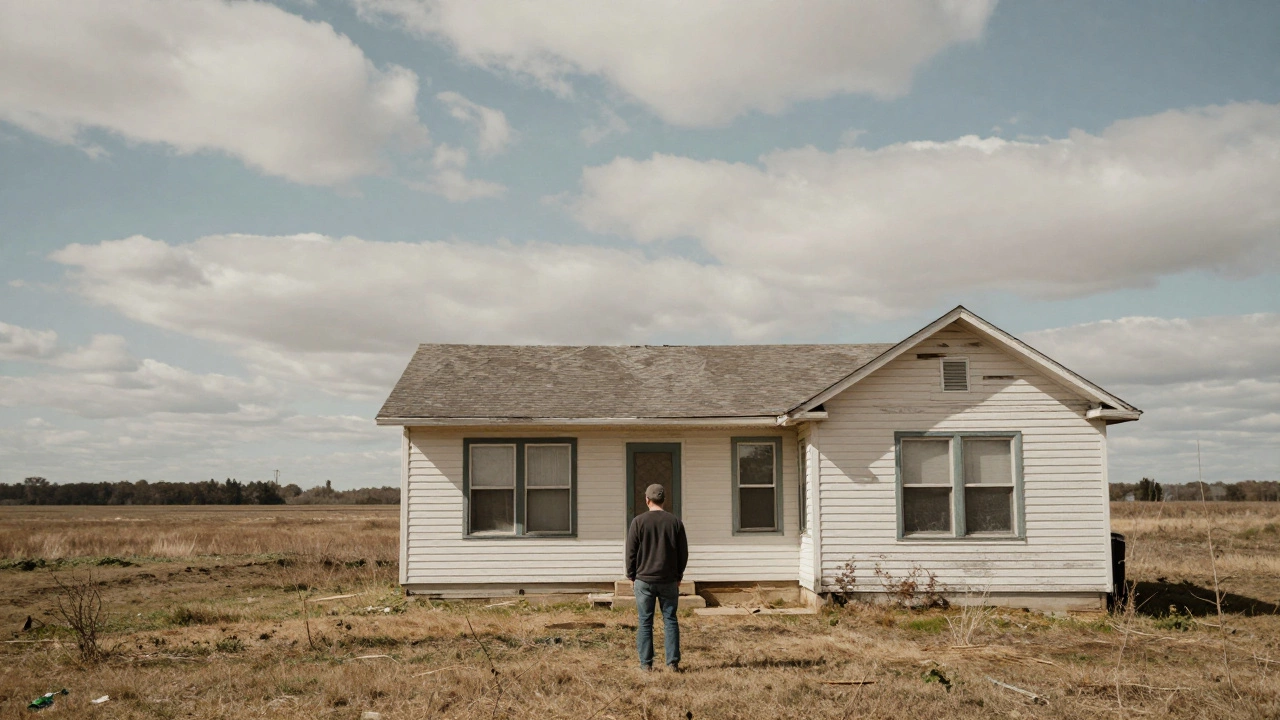
Buying a house for $50,000 is rarely about luxury; it’s about leverage. If you buy a home for $40,000, put $10,000 into critical repairs, and the market appreciates by even 3% annually, you start building wealth. After ten years, that same home might be worth $60,000+, and you’ve paid off the debt.
However, the lifestyle trade-off is real. You may live far from job centers. Commuting costs could rise. Internet access might be spotty. Community services may be limited. Ask yourself: Are you willing to trade convenience for ownership?
For remote workers, digital nomads, or retirees on a fixed income, this trade-off is often acceptable. For someone needing daily access to a corporate office, the commute might negate the savings.
Steps to Buy Your First Cheap Home
Ready to hunt? Follow this streamlined process to avoid pitfalls:
- Get Pre-Approved or Confirm Cash Readiness: Know exactly how much you can spend. If using cash, have funds in a verified account.
- Target Specific Zip Codes: Use Zillow, Redfin, or Realtor.com filters set to max $50,000. Focus on rural counties in the Midwest, Appalachia, and select Southern states.
- Hire a Local Inspector: Never skip this. Even if the house looks okay, termites, foundation cracks, or black mold can hide behind walls. An inspection report gives you leverage to negotiate price or walk away.
- Check Title History: Ensure there are no liens, easements, or boundary disputes. In cheap markets, title issues are more common.
- Negotiate Hard: Sellers of low-priced homes often expect offers below asking. Start 10-15% lower and justify it with repair estimates.
- Close Quickly: Cash deals close in days. Speed wins in competitive low-budget markets.
Remember, patience pays. Don’t rush into a property that smells like desperation. Wait for the right deal that fits both your budget and your long-term goals.
Can I get a mortgage for a $50,000 house?
It is very difficult. Most conventional lenders require minimum loan amounts (often $50,000-$100,000) to make the transaction profitable. You may qualify for an FHA loan if the home meets strict habitability standards, but many cheap homes fail inspection. Owner financing or all-cash purchases are more common routes.
Are houses under $50,000 good investments?
They can be, but only if you factor in repair costs and location stability. Properties in stable rural communities appreciate slowly but steadily. Avoid areas with rapid population decline or environmental hazards. The return comes from forced appreciation through renovations and long-term holding.
What are the risks of buying a cheap house?
Major risks include hidden structural damage, poor resale value, difficulty insuring the property, and isolation from essential services. Additionally, some neighborhoods with very cheap homes may have higher crime rates or social challenges. Thorough due diligence is non-negotiable.
Do I need a real estate agent for a $50,000 home?
Not necessarily, but it helps. Many agents won’t represent buyers for such low commissions. Look for agents specializing in rural or distressed properties. Alternatively, you can hire a real estate attorney to handle contracts and title searches, saving on agent fees while protecting your interests.
How do I find houses listed for under $50,000?
Use online platforms like Zillow, Redfin, and Craigslist with price filters. Also check county auction websites, sheriff’s sales, and local Facebook marketplace groups. Driving through target rural areas and looking for "For Sale By Owner" signs can uncover unlisted deals.
Corbin Fairweather
I am an expert in real estate focusing on property sales and rentals. I enjoy writing about the latest trends in the real estate market and sharing insights on how to make successful property investments. My passion lies in helping clients find their dream homes and navigating the complexities of real estate transactions. In my free time, I enjoy hiking and capturing the beauty of landscapes through photography.
view all postsWrite a comment