

Ethical Real Estate Agent Checker
Check Your Agent's Ethics
Use this checklist to identify if your agent follows ethical practices. Answer all questions honestly to get a personalized assessment.
When you're looking to buy or sell a home, you don't just want a good deal-you want someone you can trust. That’s why more people are asking: What is the most ethical real estate company? It’s not about who closes the fastest or who lists the most homes. It’s about who puts people first. In a world where hidden fees, misleading photos, and pressure tactics are still common, ethical real estate isn’t a buzzword-it’s a necessity.
What Does ‘Ethical’ Even Mean in Real Estate?
Let’s cut through the noise. An ethical real estate company doesn’t just follow the law. It goes further. It doesn’t hide commissions. It doesn’t pressure clients into quick sales. It doesn’t exaggerate square footage or airbrush cracks out of photos. It doesn’t steer buyers away from neighborhoods based on race, income, or perceived ‘desirability.’
Real ethics in real estate means:
- Telling clients the truth-even if it might delay a sale
- Disclosing all known defects before showings
- Being upfront about how much they earn
- Respecting buyer and seller timelines, not forcing decisions
- Advocating for fair housing practices, not exploiting market gaps
This isn’t theory. It’s what separates companies that last from those that burn out after a few scandals.
Who’s Actually Doing It Right?
There’s no single global ‘#1’ ethical real estate firm, but some stand out because they’ve built their entire business around transparency and accountability. In New Zealand, Real Estate Institute of New Zealand (REINZ) is the professional body that sets ethical standards for licensed agents nationwide. While not a company itself, REINZ’s Code of Conduct is the baseline every agent must follow.
Among agencies, Barfoot & Thompson is one of New Zealand’s largest independent real estate firms, known for its long-standing commitment to transparency, public disclosure of sales data, and refusal to use aggressive sales tactics. They publish all property sales on their website, including price reductions and time on market. No sugarcoating.
In the U.S., Redfin has built its brand on clear pricing, flat-fee models, and full transparency about agent commissions. Unlike traditional brokerages that hide how much they make, Redfin shows you exactly how much the agent earns on each transaction. They even let you compare agent performance metrics publicly.
Another example is HomeLight a tech-driven platform that connects buyers and sellers with vetted agents who meet strict ethical standards. They don’t just list agents-they audit them. If an agent has more than two complaints in a year, they’re removed from the network.
Red Flags That Signal an Unethical Agency
Not all agencies claim to be ethical-but many still are. Watch out for these signs:
- They won’t show you the full commission structure before you sign
- They pressure you to accept an offer within 24 hours
- They refuse to let you speak directly with the listing agent
- They use vague language like ‘highly desirable area’ without data
- They discourage you from getting an independent home inspection
- They only show homes in certain neighborhoods and claim it’s ‘what you’re looking for’
If any of these happen, walk away. You’re not being helped-you’re being manipulated.
How to Find an Ethical Agent Near You
You don’t need to rely on big brand names. The best ethical agents are often local, independent, and quietly doing the right thing. Here’s how to find them:
- Ask for references-not testimonials. Real clients who’ve sold or bought in the last year.
- Check if they’re members of a professional association like REINZ or the National Association of Realtors (NAR). Membership means they’ve agreed to a code of ethics.
- Look at their public listings. Do they show all photos, including basement stains or cracked driveways? Do they list the property’s history of price changes?
- Ask: ‘What’s the one thing you wish clients knew before listing?’ A good agent will answer honestly.
- See how they handle mistakes. If a listing error happens, do they correct it publicly-or hide it?
One client in Auckland found her agent by asking: ‘Can I see your last three sales and what you told each buyer about the neighborhood’s noise levels?’ The agent pulled up a spreadsheet. She hired him the next day.
Why Ethics Pays Off-For Everyone
Some people think being ethical means losing money. It doesn’t. In fact, the opposite is true.
Companies that prioritize ethics have lower client turnover. Their agents stay longer. They get more referrals. They avoid lawsuits. A 2024 survey by the Consumer Protection Commission found that 73% of buyers who worked with ethically rated agents said they’d use them again. That’s not luck-it’s loyalty.
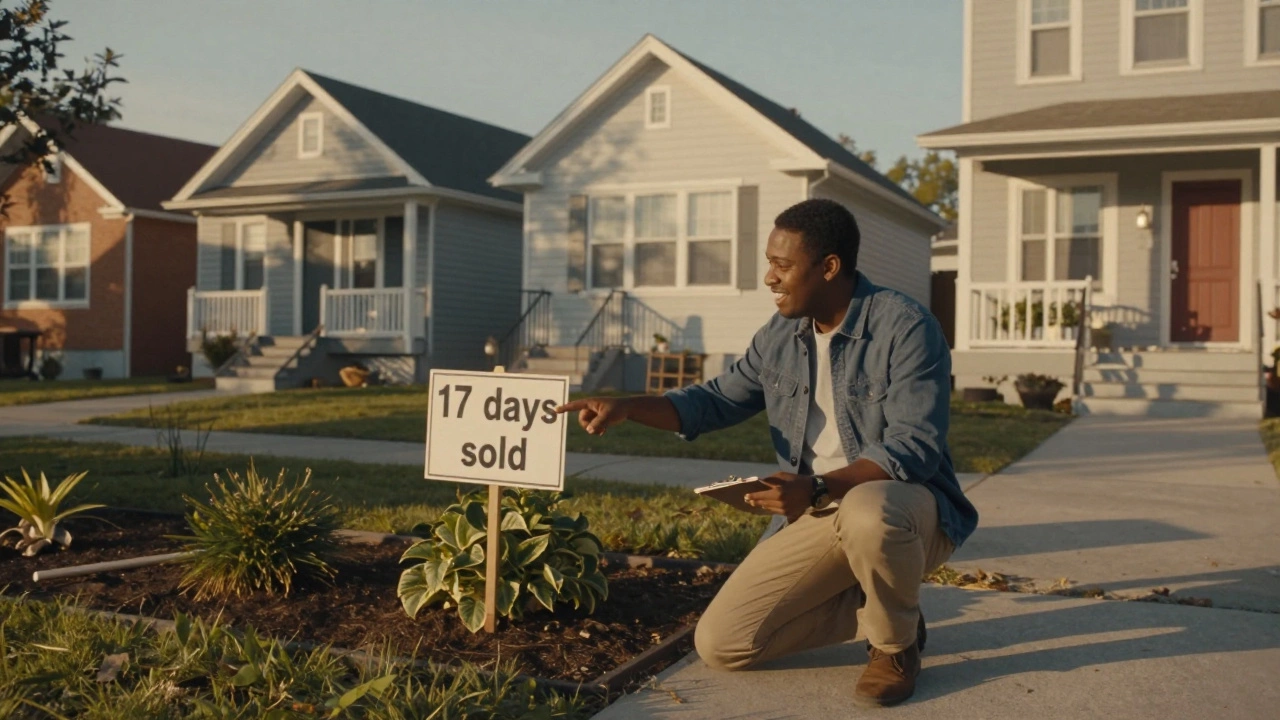
Even sellers benefit. Ethical agents don’t inflate prices to get the listing. They price homes right the first time. That means faster sales, less stress, and fewer price drops. In Wellington, a home listed by an ethical agent sold 17 days faster on average than one listed by a high-pressure agent, according to a 2025 local study.
What’s Changing in 2026?
Regulation is catching up. In New Zealand, new rules passed in late 2025 require all real estate agents to:
- Disclose all commissions in writing before signing a contract
- Provide a full history of price changes and offers on every listing
- Record and report any instances of steering or discrimination
These aren’t suggestions. They’re enforceable laws. Fines for violations start at $20,000. That’s forcing agencies to clean up their act.
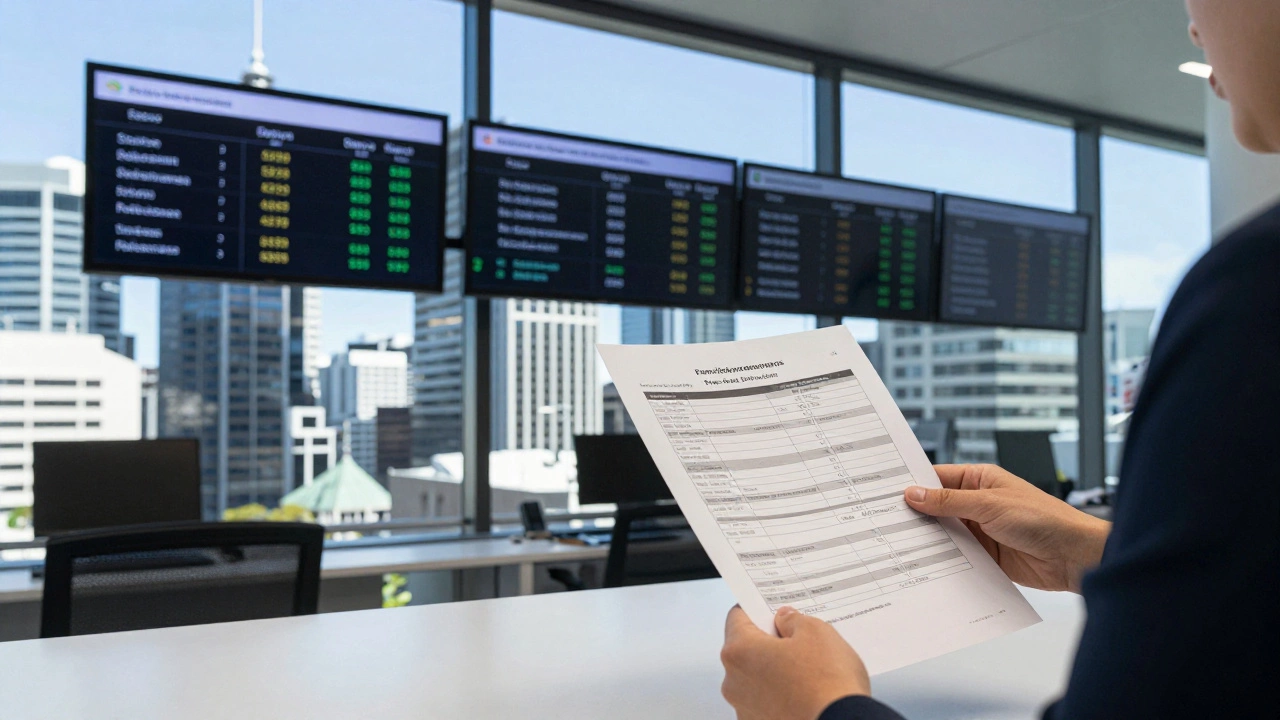
Technology is helping too. Platforms like PropertyData and TradeMe Property now show real-time sales trends, average days on market, and agent performance scores. You can see who’s consistently selling homes fast, fairly, and with full disclosure.
Final Thought: It’s Not About the Biggest Name
The most ethical real estate company isn’t necessarily the one with the most billboards. It’s the one where the agent calls you back, tells you the truth about the neighbor’s barking dog, and doesn’t rush you into signing. It’s the one that treats your home like it’s theirs-and your peace of mind like their top priority.
Ask the hard questions. Demand transparency. Walk away from anyone who makes you feel small. The right agent won’t just find you a house. They’ll help you feel safe in it.
How do I know if a real estate agent is truly ethical?
Look for three things: First, do they disclose their commission in writing before you sign? Second, do they share full property histories, including past price changes and inspection reports? Third, do they encourage you to get an independent home inspection? If they say no to any of these, they’re not ethical.
Are big real estate companies more ethical than small ones?
Not necessarily. Large firms often have more resources to train agents, but they also have more pressure to hit sales targets. Small agencies can be more ethical because they rely on word-of-mouth. The best ethical agents-big or small-put transparency above speed.
Can I trust online platforms like Redfin or HomeLight?
Yes, but only if you understand how they work. Redfin and HomeLight are transparent by design-they show you exactly how much agents earn and rate them publicly. But you still need to interview the individual agent assigned to you. Platforms vet, but they don’t replace human judgment.
What should I do if I suspect my agent is being unethical?
Document everything: emails, texts, recordings (if legal in your area). Then file a complaint with your local real estate authority-in New Zealand, that’s the Real Estate Agents Authority (REAA). You can also ask for a second opinion from a different agent who isn’t involved in the transaction.
Do ethical agents charge more?
No. Ethical agents don’t charge more-they just charge fairly. Some offer flat fees. Others charge standard commissions but prove their value through faster sales and fewer complications. You pay for results, not pressure.
Next Steps: How to Take Action Today
Here’s what you can do right now:
- Go to REINZ’s website and search for licensed agents in your area. Look for those with ‘Code of Conduct’ compliance listed.
- Visit TradeMe Property and compare how different agents list homes. Which ones show full details? Which ones hide flaws?
- Ask three agents the same question: ‘What’s the most common mistake buyers make when they’re in a hurry?’ Their answer will tell you more than any brochure.
Buying or selling a home is one of the biggest decisions you’ll make. Don’t let it be a gamble. Find someone who treats your future like it matters.
Corbin Fairweather
I am an expert in real estate focusing on property sales and rentals. I enjoy writing about the latest trends in the real estate market and sharing insights on how to make successful property investments. My passion lies in helping clients find their dream homes and navigating the complexities of real estate transactions. In my free time, I enjoy hiking and capturing the beauty of landscapes through photography.
view all postsWrite a comment