
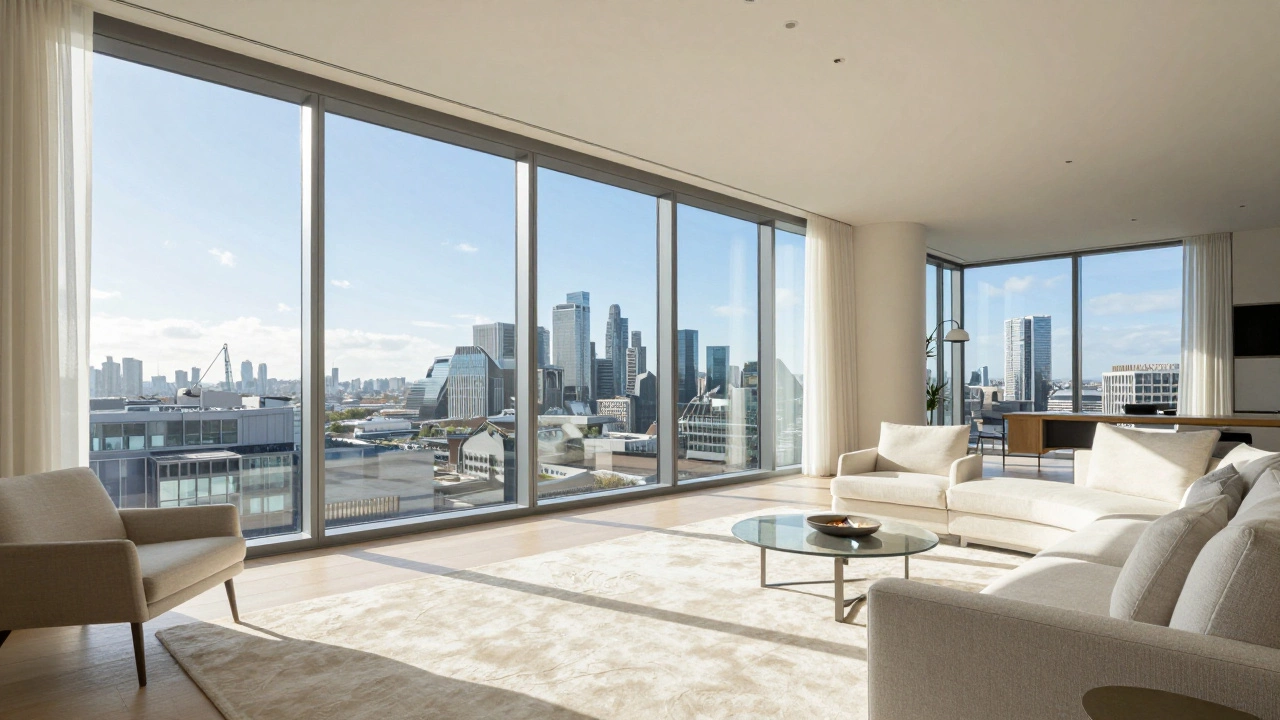
But is it always the best choice? While the prestige is obvious, there are practical realities-like elevator wait times and heat management-that you need to consider before signing a contract. If you are hunting for a home that feels more like a private house in the air, understanding the nuances of the top floor is a must.
Quick Summary: The Top Floor Experience
- Privacy: No upstairs neighbors means zero ceiling noise.
- Light: Unobstructed access to natural sunlight and better airflow.
- Prestige: Often comes with premium finishes and larger layouts.
- Trade-offs: Potential for higher temperatures and longer trips to the lobby.
Defining the Top Level Apartment
At its simplest, a top level apartment is the residential unit located on the highest floor of a building. While people often use the term interchangeably with "penthouse," they aren't always the same. A penthouse is often a design choice-it might have a private roof terrace, higher ceilings, or a wrap-around balcony-whereas a top level unit is simply a matter of geography within the building structure.
In most luxury apartments, the top level is where the architects put the most effort. You will often find that these units have "double-height" ceilings or specialized glass that allows more light to flood the interior. In a standard building, you might just get a regular flat that happens to be at the top. In a luxury development, the top floor is treated as a distinct product with higher specifications and a higher price tag.
The Big Wins: Why People Pay a Premium
The most immediate benefit is the silence. If you have ever lived in a mid-level flat, you know the sound of a neighbor moving a chair at 2 AM. In a top level unit, that disappears. You are the ceiling. This peace and quiet is one of the primary drivers for the high demand in the luxury sector.
Then there is the light. When you are on the highest floor, you aren't competing with other buildings or balconies for the sun. This isn't just about aesthetics; it's about mental well-being. More natural light reduces the need for artificial lighting during the day and often leads to a more open, airy feeling inside the home. Air quality is usually better too, as you are further away from street-level pollution and smog.
Let's talk about the views. Whether it is a skyline of skyscrapers or a coastline, the vista from the top is the main selling point. Real estate agents often price these units based on the "view premium." A unit with a 180-degree unobstructed view can command a price 20% to 30% higher than an identical layout on the 5th floor.
Comparing Top Level Units vs. Mid-Level Units
| Feature | Top Level / Penthouse | Mid-Level Unit |
|---|---|---|
| Noise Level | Low (No overhead neighbors) | Medium to High (Ceiling noise) |
| Natural Light | Maximum / Unobstructed | Variable / Potential shadows |
| Temperature | Tends to be warmer (Heat rises) | More stable / Insulated |
| Accessibility | Longer elevator trips | Faster access to street/lobby |
| Resale Value | Typically higher prestige value | Steady, based on market averages |
The Hidden Challenges of the Highest Floor
It isn't all champagne and sunsets. One of the biggest hurdles is the HVAC (Heating, Ventilation, and Air Conditioning) struggle. Heat rises, and the roof absorbs the most direct sunlight. This means top floor units can become ovens in the summer. If the building doesn't have a high-end, zoned climate control system, you might find yourself spending significantly more on electricity to keep the place cool.
Then there is the "elevator fatigue." When you live on the 40th floor, a broken elevator isn't just an inconvenience-it's a crisis. Even when they work, the wait times during morning rush hour can be frustrating. If you are someone who forgets their keys and has to go back up, those extra seconds add up over a lifetime.
Water pressure can also be a quirk. In older buildings, the water has to be pumped higher to reach the top floor. While modern luxury builds use powerful booster pumps, it is always worth checking if the shower pressure is actually satisfying or if it feels like a drizzle compared to the lower floors.
Is a Penthouse Different from a Top Level Apartment?
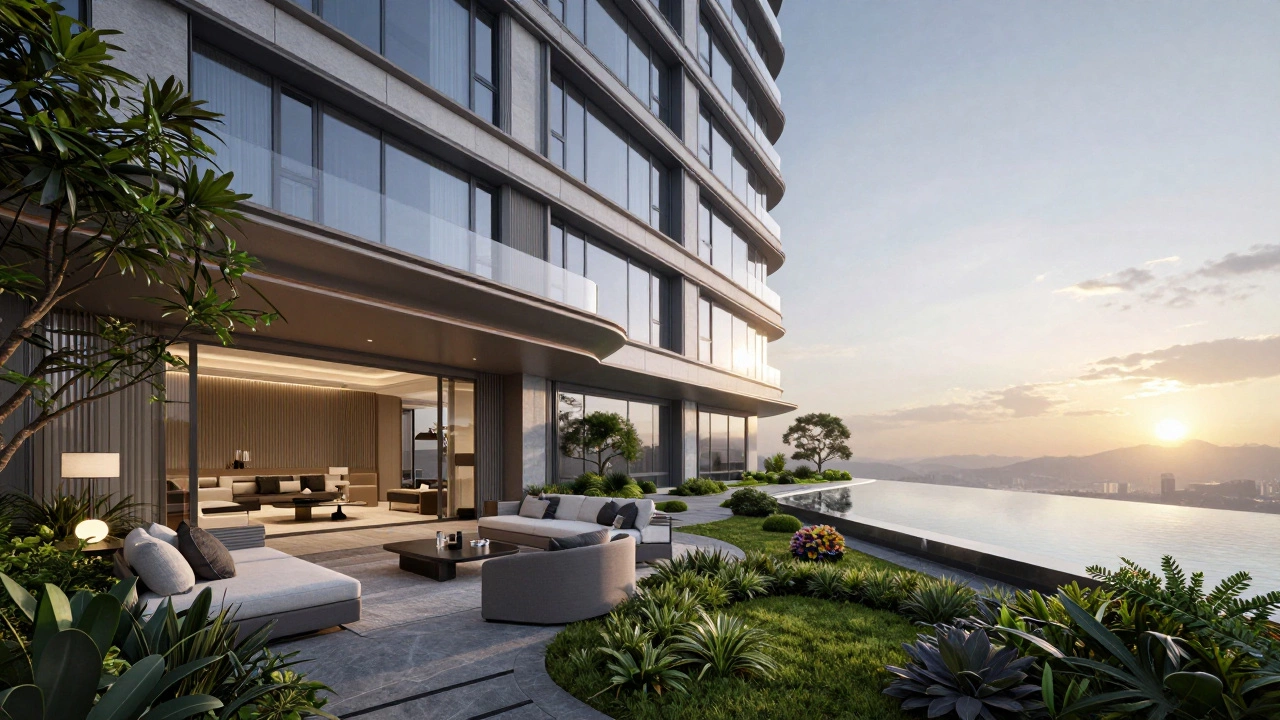
Yes, there is a difference, though it is often blurred. Think of it like this: all penthouses are usually top level, but not all top level apartments are penthouses. A Penthouse is a designation of luxury. It usually implies a layout that is larger than the standard units, perhaps spanning the entire floor, and often includes an outdoor area like a private terrace or a rooftop garden.
A standard top level unit might just be a 2-bedroom flat that happens to be on the 10th floor of a 10-story building. It doesn't have the extra bells and whistles. When you are shopping, look for the "architectural intent." If the unit was designed specifically to be the pinnacle of the building, it's a penthouse. If it's just the last unit on the list, it's simply a top floor apartment.
Making the Decision: Who is This For?
If you are a high-profile individual or someone who works a high-stress job, the privacy and silence of the top floor are worth every penny. The psychological shift of being "above it all" can be a huge benefit for mental decompression. It's also a smart move for those who prioritize aesthetics and want a home that serves as a statement piece for entertaining guests.
On the other hand, if you are a parent with young children or someone with mobility issues, the proximity to the ground floor is often more valuable. The time spent waiting for an elevator with a stroller or groceries is a real pain point. In those cases, a mid-level unit with a great view is a more practical compromise.
Checklist for Inspecting a Top Floor Unit
- Ceiling Integrity: Look for signs of water damage. Even though no one lives above you, the roof is above you. Check for stains that suggest leaks.
- Wind Noise: High floors can be windy. Close the windows during a breezy day to see if the glass rattles or whistles.
- Sun Exposure: Visit during the afternoon. Is the unit too hot? Do the curtains block enough light to keep the room usable?
- Elevator Speed: Time how long it takes to get from the garage to the unit during a peak hour.
- Cell Signal: Surprisingly, some top floors have "dead zones" because they are above the reach of some local cell towers or blocked by the roof's construction materials.
Are top level apartments more expensive?
Generally, yes. Because they offer better views, more light, and no upstairs neighbors, they carry a premium. This is especially true in luxury developments where the top floor is marketed as a penthouse with exclusive features.
Do top floor apartments have more leaks?
They don't have leaks from other apartments, but they are the first point of contact for roof leaks. If the building's roof membrane fails, the top floor is where the damage appears first. Always check the ceiling and ask about the roof's age and warranty.
Is the noise level really lower?
In terms of foot traffic and neighbors, yes, it is much quieter. However, you might hear more wind noise or the sound of rooftop machinery (like elevator motors or HVAC units) if they aren't properly soundproofed.
What is the best floor for a luxury apartment?
It depends on your priority. For maximum prestige and silence, the top floor is best. For ease of access and temperature stability, the middle floors are better. Many luxury buyers prefer the "high-mid" range-high enough for a view, but low enough to avoid the roof's heat and leak risks.
Do top floor units have better resale value?
Usually, yes. Top level units, especially those with a "penthouse" label, are rarer and more desirable, which helps them hold their value better during market dips and sell faster when the view is a key attraction.
Next Steps for Your Home Search
If you've decided that the top floor is for you, start by filtering your search for units specifically labeled as "penthouse" or "top floor." When you visit, don't just look at the view-test the AC and the elevator. If you're worried about the heat, ask the agent about the building's insulation rating. If you're looking for something a bit more grounded but still luxurious, consider a unit just two floors below the top; you often get the same view without the roof-related headaches.
Corbin Fairweather
I am an expert in real estate focusing on property sales and rentals. I enjoy writing about the latest trends in the real estate market and sharing insights on how to make successful property investments. My passion lies in helping clients find their dream homes and navigating the complexities of real estate transactions. In my free time, I enjoy hiking and capturing the beauty of landscapes through photography.
view all postsWrite a comment