
Luxury Home Assessment Tool
Evaluate whether a property meets the 2026 definition of luxury housing. Luxury isn't about size or price—it's about intentionality, craftsmanship, and experience. Check the features that match your home or property.
Luxury Assessment Result
When you hear the term luxury housing, you might picture glass towers with skyline views, marble floors, or private elevators. But what does it really mean today? Luxury housing isn’t just about price tags or square footage. It’s about how every detail-from the materials used to the way light moves through a room-has been intentionally designed to elevate daily life. In 2026, luxury isn’t about showing off. It’s about quiet confidence, seamless functionality, and spaces that feel like they were made just for you.
What Makes a Home Truly Luxury?
A luxury home doesn’t need a swimming pool or a home theater to qualify. Many of the most sought-after luxury properties in Auckland, London, or Singapore have no pool at all. Instead, they have something rarer: perfect proportions, natural materials that age gracefully, and acoustic privacy that lets you hear your own breath in silence. The difference shows in the details: solid oak doors that weigh 80 pounds each, custom-cast bronze hardware, or flooring made from reclaimed teak sourced from old fishing boats in Indonesia.
High-end homes are built to last decades, not just to impress buyers at an open house. You’ll find insulation layers thicker than standard walls, triple-glazed windows that reduce outside noise by 75%, and HVAC systems so quiet you forget they’re running. These aren’t gimmicks. They’re engineered to remove friction from everyday living.
Luxury Housing vs. Expensive Housing
Not all expensive homes are luxury homes. You can pay $5 million for a 6,000-square-foot house with generic finishes, poor layout, and no soul. That’s expensive housing. Luxury housing feels different. It responds to your rhythm. A luxury kitchen isn’t just filled with top-of-the-line appliances-it’s designed so you can cook without stepping over cords, open cabinets with one hand, and clean up in under five minutes. The lighting adjusts automatically to the time of day. The bathroom has heated floors and towel warmers that activate when you walk in-not because it’s flashy, but because it removes a small daily annoyance.
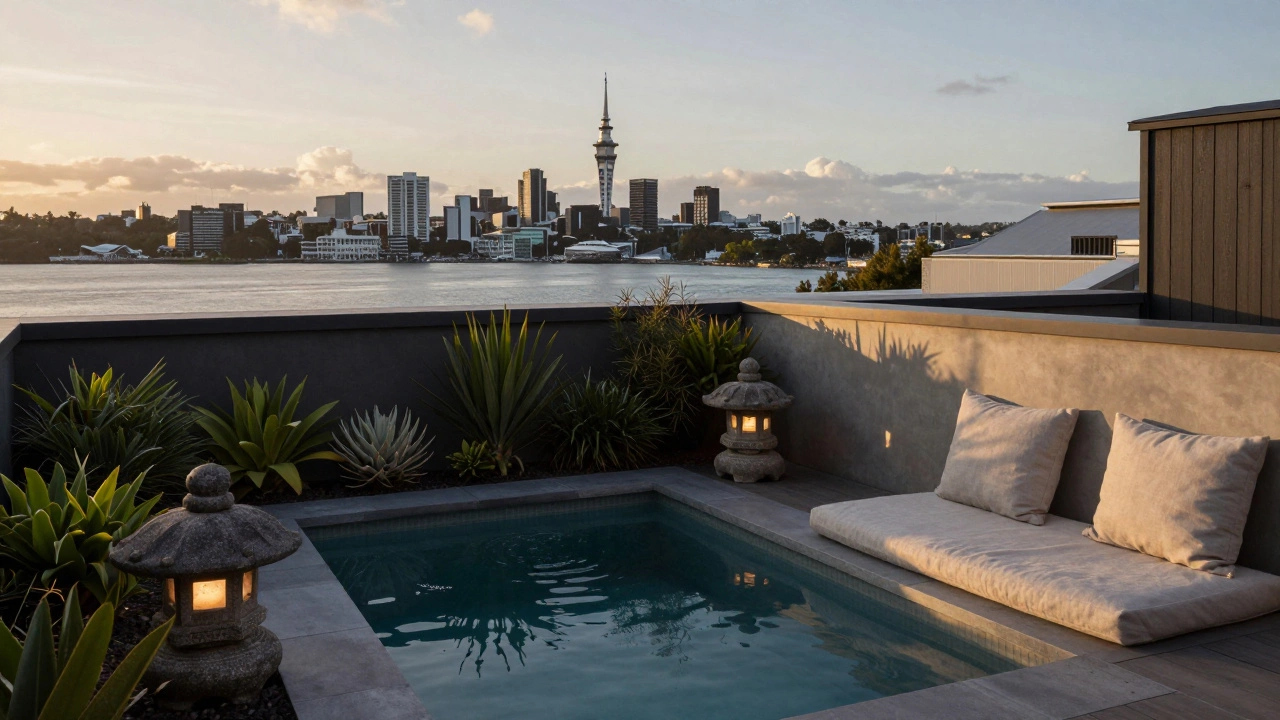
In Auckland’s premium suburbs like Remuera or Devonport, luxury homes often sit on smaller lots than you’d expect. What matters isn’t the size of the land, but how it’s used. A $3 million home here might have a 20-meter-long native garden with hidden seating areas, a private courtyard with a Japanese stone lantern, and a rooftop terrace that frames the harbor at sunset. The value isn’t in the square meters-it’s in the experience.
Key Features of Modern Luxury Housing
- Smart integration without the tech overload: Systems control lighting, climate, security, and entertainment-but you never need to open an app. Voice commands work naturally. Motion sensors turn on lights only when needed. There’s no confusing interface.
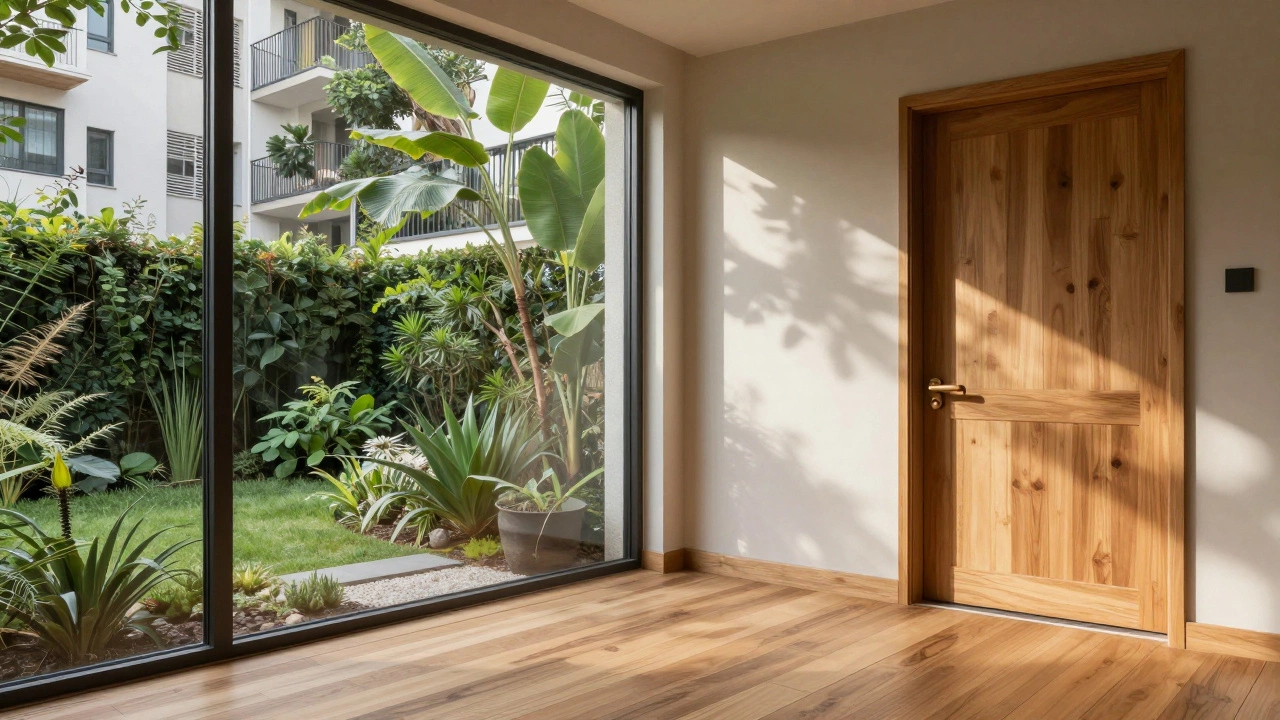
- Biophilic design: Natural materials dominate. Stone, wood, linen, and wool are everywhere. Indoor plants aren’t decorative-they’re part of the air purification system. Large windows connect interiors to outdoor spaces, even in dense urban areas.
- Privacy by design: Luxury homes don’t just have high fences. They’re positioned to avoid overlooking neighbors, use sound-dampening walls, and often have no visible security cameras. Privacy is assumed, not advertised.
- Custom craftsmanship: Countertops aren’t bought from a catalog. They’re carved from single slabs of marble or quartzite. Cabinetry is hand-finished by local artisans. Fixtures are commissioned, not mass-produced.
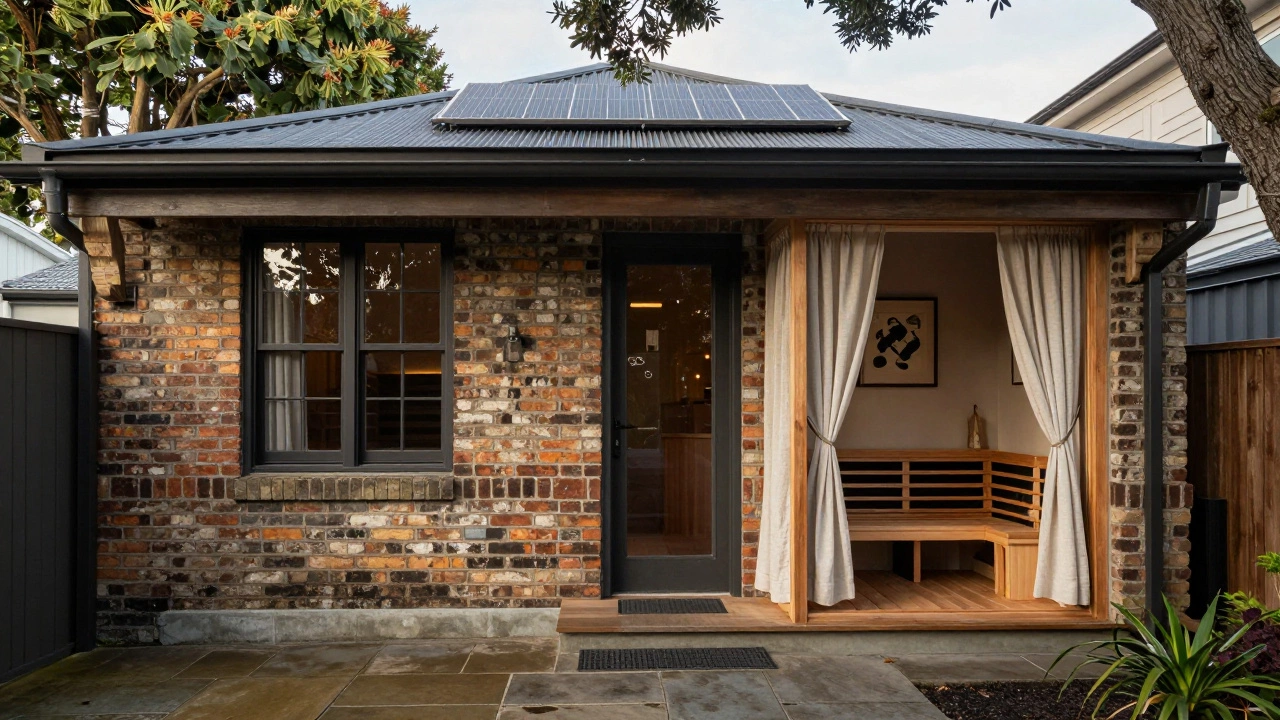
- Sustainability as standard: Solar panels are hidden in roof tiles. Rainwater is harvested for irrigation. Materials are FSC-certified or recycled. Energy use is monitored in real time and optimized automatically. Luxury now means responsibility.
Who Buys Luxury Housing Today?
It’s not just billionaires. In 2026, luxury housing buyers are often high-earning professionals-surgeons, tech founders, artists, or entrepreneurs-who value time, peace, and quality over status symbols. Many are empty-nesters downsizing from larger homes but refusing to compromise on comfort. Others are international buyers from Asia and the Middle East who see New Zealand as a stable, serene place to invest. They’re not looking for a trophy. They’re looking for a sanctuary.
What unites them? They’ve all learned that the best homes don’t shout. They whisper. They anticipate needs before they arise. They make you feel calm, even on a chaotic Tuesday morning.
What Luxury Housing Isn’t
Luxury housing isn’t gilded mirrors or crystal chandeliers in every room. It’s not a home with a wine cellar and a cigar lounge because it’s trendy. It’s not a house with a 10-car garage because you own five vehicles. Those are clichés from the 2000s. Today’s luxury rejects excess. It embraces intention.
It also isn’t always new. Some of the most prized luxury homes are century-old heritage buildings in Auckland’s Ponsonby or Wellington’s Thorndon, meticulously restored with hidden modern systems. The charm comes from history, not from brand-new finishes.
The Future of Luxury Housing
By 2030, luxury homes will likely include AI-driven personalization that learns your habits-adjusting temperature, music, and lighting based on your mood and schedule. But even with tech advances, the core of luxury remains unchanged: it’s about removing stress, not adding complexity. The best luxury homes in 2026 feel timeless. They don’t need to be updated. They just need to be lived in.
What’s growing fast? Wellness integration. Homes with built-in air quality monitors, infrared saunas, meditation pods, and circadian lighting that mimics natural daylight cycles. These aren’t luxuries anymore-they’re expected.
And in places like Auckland, where land is limited and views are precious, the most valuable luxury homes are those that offer a sense of escape-without leaving the city. A rooftop garden with a hidden plunge pool. A private stairway to a secluded beach. A study with floor-to-ceiling windows overlooking native bush.
Final Thought: Luxury Is a Feeling
You don’t buy luxury housing because it’s expensive. You buy it because it makes you feel at ease. Because you wake up without needing coffee to reset your mind. Because the silence is deep, the air is clean, and everything just works-without you having to think about it.
That’s what luxury housing really is in 2026: not a status symbol, but a silent promise. A promise that your home will never ask more of you than you’re willing to give.
Is luxury housing the same as a mansion?
No. A mansion is defined by size-usually over 8,000 square feet with many rooms. Luxury housing is defined by quality, design, and experience. A 3,000-square-foot home with hand-finished oak floors, acoustic insulation, and a private garden can be far more luxurious than a 12,000-square-foot house with generic finishes and poor layout.
Do you need a big budget to live in luxury housing?
Not necessarily. While luxury homes often start at $2 million in cities like Auckland, some smaller, well-designed properties in emerging premium neighborhoods can be found for under $1.5 million. The key is focusing on craftsmanship, materials, and layout-not square footage. A $1.2 million home with smart design and natural light can feel more luxurious than a $3 million home filled with unnecessary features.
Are luxury homes more energy efficient?
Yes, almost always. Modern luxury homes are built to meet or exceed passive house standards. They use triple-glazed windows, advanced insulation, solar-integrated roofs, and energy recovery ventilation systems. Many are net-zero or even net-positive in energy use. Sustainability isn’t optional-it’s a core expectation in today’s luxury market.
Can luxury housing be in the city center?
Absolutely. In fact, urban luxury is growing faster than suburban. High-end apartments in Auckland’s Wynyard Quarter or Britomart offer private terraces, concierge services, and noise-reducing construction that makes them quieter than homes in leafy suburbs. The appeal? Access to culture, dining, and services without sacrificing privacy or comfort.
What’s the biggest mistake people make when buying luxury housing?
They focus on features instead of flow. Buying a home because it has a home theater or a wine fridge is common-but those things don’t make a house luxurious. What matters is how spaces connect, how light moves through rooms, how quiet it is at night, and whether the layout supports your daily life. A luxury home should feel effortless, not like a showroom.
Corbin Fairweather
I am an expert in real estate focusing on property sales and rentals. I enjoy writing about the latest trends in the real estate market and sharing insights on how to make successful property investments. My passion lies in helping clients find their dream homes and navigating the complexities of real estate transactions. In my free time, I enjoy hiking and capturing the beauty of landscapes through photography.
view all postsWrite a comment