
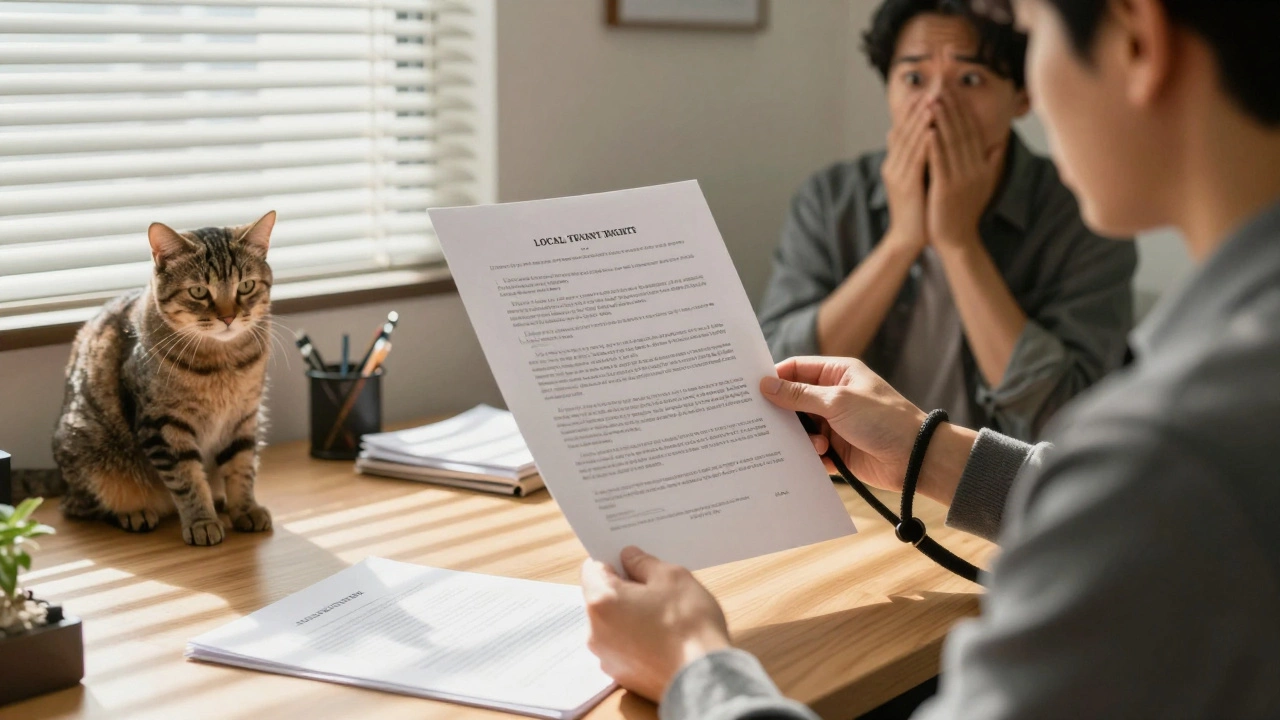
Let’s be honest - pet rent feels like a scam. You’re already paying rent, utilities, and maybe even parking fees. Now your dog or cat is being charged an extra $25 to $75 a month? And don’t get started on the non-refundable pet deposit that can hit $500. If you’ve ever felt like your furry friend is being taxed just for existing, you’re not alone. The good news? There are real, legal, and proven ways to get around pet rent - without lying, sneaking in your pet, or ending up in eviction court.
Know the Law - Pet Rent Isn’t Always Legal
In some states and cities, pet rent and pet deposits are outright banned or heavily restricted. For example, in California, landlords can’t charge non-refundable pet deposits. The law says any deposit must be refundable and can’t exceed two months’ rent total (including security deposit). In New York City, landlords can’t charge extra for pets unless it’s clearly written in the lease and tied to actual damages. In Washington D.C., pet fees are capped at $250 total, and they must be refundable.Check your local tenant rights website. Most cities have free legal aid offices that offer landlord-tenant guides. If your area has restrictions, you can use them as leverage. Bring a printed copy of the law to your landlord. Say something like: “I’ve read the city’s guidelines on pet fees. I’d like to discuss how we can align with the law.” Many landlords don’t even know the rules - and they’ll back down.
Offer a Higher Security Deposit Instead
Landlords hate pet rent because it’s a guaranteed monthly fee. But they love security deposits - because they’re only paid once, and they’re refundable. If you’re asked to pay pet rent, propose this instead: “I’ll pay an extra $300 to my security deposit, but no monthly pet fee.”Why this works: Most landlords are okay with a larger upfront deposit. It’s a one-time cost, and they’re more likely to get it back if you leave the place clean. Plus, you’re not giving them a steady stream of income from your pet. That makes it feel less like a tax and more like insurance.
Make sure the lease says: “Security deposit increased by $X due to pet occupancy, fully refundable upon move-out, minus documented damages.” This protects you. If the landlord refuses, ask: “If I leave the unit in the same condition as when I moved in, will I get the full deposit back?” Get it in writing.
Pet Insurance Can Replace Pet Rent
Landlords charge pet rent because they’re scared of damage. But damage isn’t guaranteed. Most pets cause little to no damage. If you can prove your pet is low-risk, you might convince them to drop the fee.Get pet liability insurance. It costs $10 to $20 a month. It covers damage caused by your pet - broken floors, chewed walls, scratched furniture. Some policies even cover bites or accidents that damage the property.
Show your landlord the policy. Say: “I’ve purchased $100,000 in pet liability coverage. This covers any damage your property might sustain. I’d like to waive the pet rent in exchange for this added protection.”
Companies like Lemonade, Embrace, and Pets Best offer these policies. You can print the certificate and show it during your application. A few landlords have accepted this - especially if you have a small dog or cat with no history of damage.
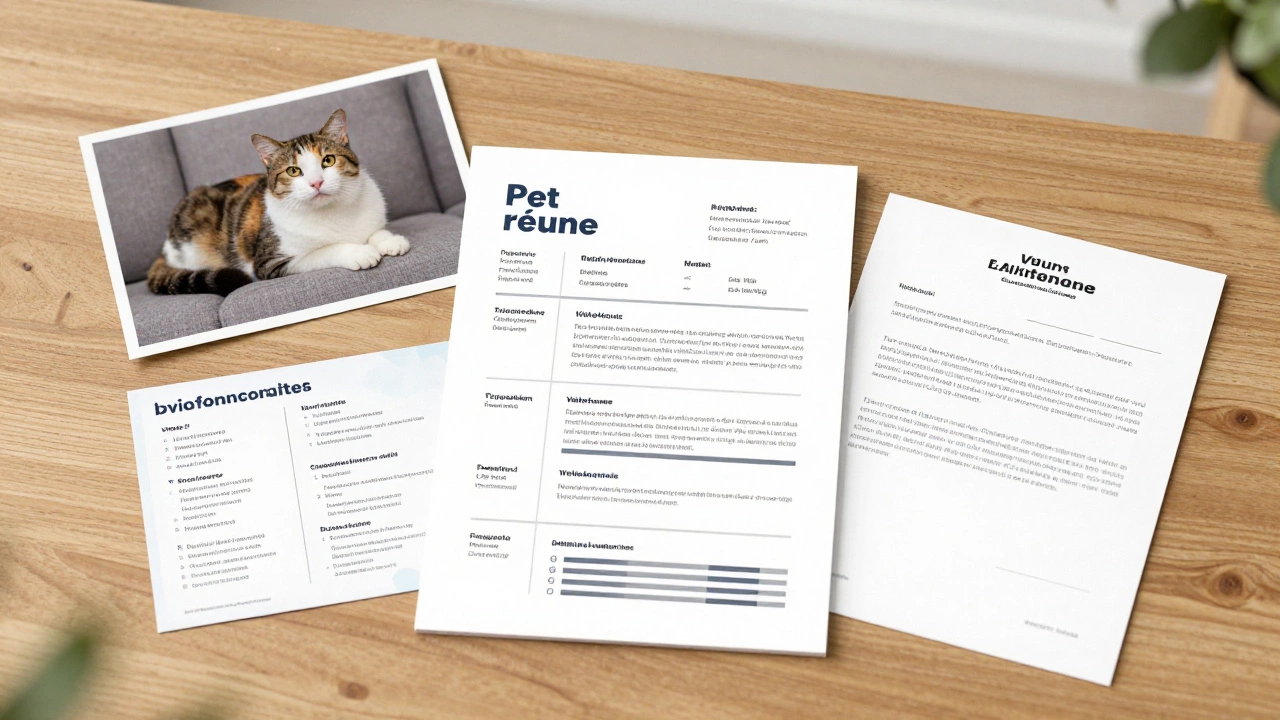
Get a Pet Resume - Yes, Really
You wouldn’t hire a contractor without checking references. Why should landlords just guess about your pet? Create a simple one-page “pet resume.”- Photo of your pet
- Breed, age, weight
- Spayed/neutered? Yes
- Trained? House-trained, leash-trained, no barking issues
- References: Vet name, dog walker, previous landlord (if applicable)
- Proof of vaccinations
- Behavioral note: “Calm indoors, no chewing, no scratching furniture”
Hand this to your landlord. It makes your pet feel less like a risk and more like a responsible roommate. One renter in Portland got her pet rent waived after showing a resume that included a video of her cat sitting quietly on the couch while she worked. The landlord said, “I’ve never seen a cat this well-behaved.”
Look for Pet-Friendly Buildings That Don’t Charge
Not all landlords are the same. Some apartment complexes - especially newer ones or those managed by large companies - don’t charge pet rent at all. Why? Because they want to attract renters. Pets mean longer tenancies. People with pets tend to stay put.Use filters on Zillow, Apartments.com, or Rent.com. Search for “pet friendly” and then sort by “no pet fee.” You’ll find listings that say “No pet fees” right in the description. In cities like Austin, Denver, and Minneapolis, over 30% of new builds have no pet rent.
Also, check out pet-friendly condos or co-ops. They’re often owned by individuals, not corporations. These owners are more flexible. They might not charge anything if you’re a quiet, clean tenant.
Ask for a Trial Period
If your landlord is still hesitant, offer a trial. Say: “Can we try a 30-day pet trial? If there’s no damage, we’ll waive the pet rent for the rest of the lease.”This works best if you’re moving into a newer unit or one that’s been recently renovated. Landlords are more willing to take a chance if the property is in great shape. A trial gives them peace of mind - and gives you proof that your pet won’t cause problems.
Some landlords have agreed to this. One tenant in Chicago got her pet rent dropped after a month of no issues. The landlord said, “I didn’t expect her dog to be this quiet.”

Use Emotional Appeal - But Back It Up
Pets aren’t just animals. They’re emotional support. If you have a service animal or emotional support animal (ESA), you’re protected under the Fair Housing Act. You don’t have to pay pet rent or a pet deposit.But here’s the catch: You need documentation. A letter from a licensed mental health professional - therapist, psychologist, or psychiatrist - is required. It must state that your pet is necessary for your mental health. It can’t be a generic form from a website. The landlord can ask for the letter, but they can’t ask for your diagnosis.
Some people misuse this. But if you genuinely need your pet for anxiety, depression, or PTSD, this is your legal right. And yes, it’s been upheld in court dozens of times.
What to Avoid
Don’t hide your pet. Landlords do surprise inspections. If you’re caught, you could be evicted - even if you’ve been a perfect tenant for a year.Don’t lie about the number of pets. If you say you have one cat and they find two, they can legally terminate your lease.
Don’t pay pet rent and hope it goes away. It won’t. It’s designed to stick.
Final Tip: Build a Relationship
Landlords are people too. If you’re respectful, pay rent on time, and keep the place clean, they’re more likely to bend the rules. Send a thank-you note after you move in. Offer to water their plants if they’re away. Bring them cookies during the holidays.One landlord in Seattle told a renter: “I don’t mind pets. I just hate the paperwork. If you’re the kind of person who cleans up after themselves, I’ll waive the fee.” That renter stayed for four years.
Can a landlord charge both a pet deposit and pet rent?
In most states, yes - but only if it’s clearly written in the lease. However, some places like California and New York limit total deposits to two months’ rent. If your pet deposit + security deposit already hits that cap, the landlord can’t add pet rent on top. Always check your local tenant laws.
Are service animals exempt from pet rent?
Yes. Under the Fair Housing Act, service animals and emotional support animals (with proper documentation) cannot be charged pet rent or deposits. Landlords can ask for proof of need but cannot ask for details about your disability. Misrepresenting a pet as a service animal is illegal and can lead to penalties.
What if my pet is a breed that’s banned?
Some landlords ban certain breeds like pit bulls or Rottweilers. But in some cities - like Denver and Austin - breed-specific bans are illegal. If your pet is banned, ask for an exception. Offer proof of training, behavior, and spay/neuter status. You can also get a letter from your vet or trainer. Some landlords will make exceptions if you show your pet is well-behaved.
Can I negotiate pet rent after I’ve already signed the lease?
It’s harder, but not impossible. If you’ve been a perfect tenant for 6-12 months, ask to renegotiate. Say: “I’ve kept the unit in excellent condition. Would you consider removing the pet rent?” Offer to sign a longer lease or pay rent early. Some landlords will agree - especially if they’re worried about losing you.
Do small pets like hamsters or birds count as pets?
Usually not. Most pet fees apply to dogs and cats. Small animals like hamsters, rabbits, or birds are often exempt. But always check your lease. Some landlords include all animals. If you’re unsure, ask in writing: “Does this policy apply to small caged pets?” Get confirmation before bringing them in.
Corbin Fairweather
I am an expert in real estate focusing on property sales and rentals. I enjoy writing about the latest trends in the real estate market and sharing insights on how to make successful property investments. My passion lies in helping clients find their dream homes and navigating the complexities of real estate transactions. In my free time, I enjoy hiking and capturing the beauty of landscapes through photography.
view all postsWrite a comment