

Buy to Let Rental Yield Calculator
Note: Based on Auckland market trends and article guidelines.
Minimum 4% rental yield recommended for strong returns.
When people talk about buy to let, they’re not talking about buying a home to live in. They’re buying a property to rent out. It’s a way to make money from real estate without moving in yourself. Think of it like owning a car you rent out to someone else - but instead of a car, it’s a house or flat.
What Exactly Is Buy to Let Rent?
Buy to let rent is the income you get from renting out a property you own. You buy the property - often with a special loan called a buy to let mortgage - and then you rent it to tenants. The rent they pay each month covers your mortgage, maintenance, and taxes, and anything left over is your profit.
This isn’t about flipping houses or making quick cash. It’s a long-term game. In places like Auckland, where rental demand stays high, many people use buy to let to build wealth slowly over time. You’re not just collecting rent - you’re also building equity in the property as it grows in value.
How It Works in Practice
Let’s say you buy a one-bedroom apartment in Onehunga for $700,000. You put down 25% ($175,000) and take out a buy to let mortgage for the rest. Your monthly mortgage payment is around $3,200. The apartment rents for $4,500 a month. After paying property management fees ($450), insurance ($100), and setting aside $300 for repairs, you’re left with about $550 a month in cash flow.
That $550 isn’t just pocket change. Over a year, that’s $6,600 in passive income. And if the property value rises by 4% next year - which is common in Auckland - you’ve added $28,000 in equity without lifting a finger.
That’s the power of buy to let rent: it turns property into a machine that pays you regularly while also growing your net worth.
Why People Choose Buy to Let Over Other Investments
Why not just put money in the stock market? Or a savings account? Because property offers something those usually don’t: control.
You can’t control whether Apple’s stock will go up next month. But you can control whether your rental property has good tenants, proper maintenance, and a clean, appealing layout. You can raise the rent when the market allows. You can fix up the kitchen to attract better-paying tenants.
Also, rent payments are steady. Even during economic downturns, people still need a place to live. In Auckland, vacancy rates are below 1%. That means if you own a decent property, you’re likely to find someone to rent it - fast.
What You Need to Get Started
Buying a property to rent isn’t like buying your first home. Banks treat it differently. Here’s what you’ll need:
- A larger deposit - usually 25% to 40% of the property price, compared to 10%-20% for owner-occupiers.
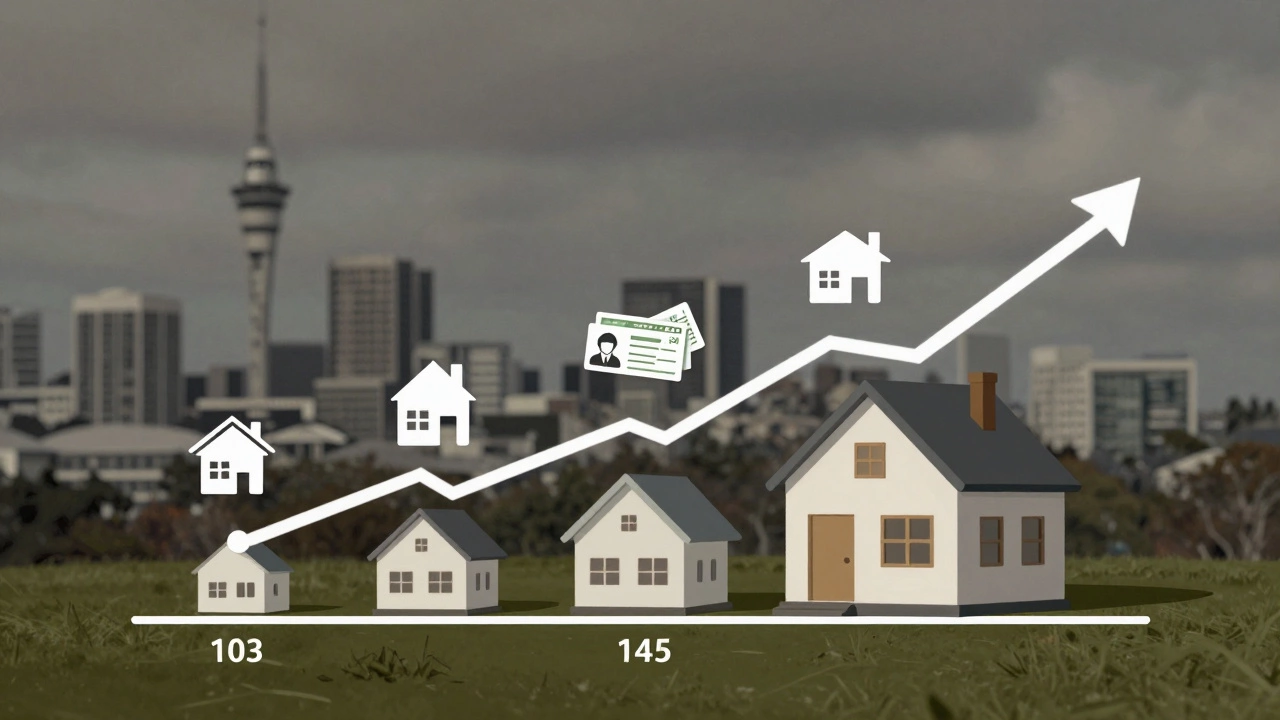
- A buy to let mortgage - these loans are based on projected rental income, not just your salary. Lenders want to see that rent covers your mortgage by at least 125%-145%.
- A good credit score - missed payments or high debt will make lenders nervous.
- Understanding tax rules - rental income is taxable. You can deduct mortgage interest, repairs, and property management fees, but capital gains tax applies when you sell.
- A plan for maintenance - things break. Water heaters fail. Leaks happen. Budget at least $1,000-$2,000 a year for repairs.
Common Mistakes New Investors Make
Many people jump into buy to let without knowing what they’re getting into. Here are the biggest errors:
- Overestimating rent - just because a listing says $5,000/month doesn’t mean you’ll get it. Look at actual rented listings in the same street.
- Ignoring vacancy gaps - tenants move out. It takes time to find new ones. Plan for at least one month of empty rent per year.
- Buying too far from where you live - if you’re not nearby, you’ll need a property manager. That cuts into your profits.
- Forgetting insurance - landlord insurance isn’t optional. It covers damage from tenants, natural disasters, and loss of rent.
- Thinking it’s passive income - it’s not. You’ll handle calls at midnight, deal with broken washing machines, and chase late payments. You can hire someone to manage it, but that costs money.
Who Should Avoid Buy to Let?
Not everyone should do this. It’s not a get-rich-quick scheme. You should avoid it if:
- You need access to your cash - property isn’t liquid. Selling takes months.
- You’re not comfortable with risk - property values can drop, especially if interest rates spike.
- You’re already stretched thin financially - rental income isn’t guaranteed, and repairs can be expensive.
- You hate dealing with people - tenants aren’t always easy. Some will damage things. Others will ignore notices.
If any of these sound like you, stick with other investments. Buy to let isn’t for everyone - but for those who understand the rules, it’s one of the most reliable ways to build wealth in New Zealand.
Is Buy to Let Still Worth It in 2025?
Yes - but the game has changed.
Interest rates are higher than they were in 2020. Banks are stricter. The government has tightened tax rules on interest deductions. But demand for rentals? It’s still strong. Auckland’s population keeps growing. More people are renting because they can’t afford to buy. More young professionals, international students, and migrants need places to live.
The key now is location and quality. A cheap, run-down flat in a bad area might sit empty for months. But a well-maintained two-bedroom in a good school zone? Tenants will line up. You don’t need to buy the most expensive property - you need to buy the right one.

Where to Find Good Buy to Let Properties in Auckland
Some suburbs consistently deliver strong rental returns:
- Onehunga - close to the port, public transport, and Auckland Airport. Popular with working families.
- Papatoetoe - affordable, good schools, high tenant turnover means steady demand.
- Manukau - growing population, new infrastructure, lots of rental demand from immigrants.
- Mount Roskill - reliable, safe, close to shopping centers and major roads.
Look for properties under $800,000. Properties over $1 million often have lower rental yields because the rent doesn’t keep up with the price. Aim for a rental yield of 4% or higher - that means annual rent is at least 4% of the purchase price.
What Happens When You Sell?
When you sell a buy to let property, you might owe capital gains tax. In New Zealand, if you buy and sell a property within 10 years and it wasn’t your main home, you could be taxed on the profit. This is called the “bright-line test.”
There are exceptions. If you lived in the property as your main home for part of the time, you might avoid the tax. But if you bought it purely to rent and never lived there, expect to pay tax on the gain.
That’s why many investors hold onto their properties for 10+ years. The longer you hold, the more time you have to build equity and reduce your tax bill.
Final Thoughts: Is Buy to Let Rent Right for You?
Buy to let rent isn’t magic. It’s work. But it’s work that pays off. It’s not about luck - it’s about choosing the right property, managing it well, and playing the long game.
If you’re patient, financially stable, and willing to learn, it’s one of the most solid paths to building wealth in New Zealand. You’re not just a landlord - you’re an investor in housing, in communities, and in your own future.
Start small. Do your research. Talk to other landlords. Visit rental properties in person. Understand the numbers before you sign anything. And remember - the goal isn’t to be rich overnight. It’s to build something that keeps giving you income for decades.
Is buy to let rent legal in New Zealand?
Yes, buy to let rent is completely legal in New Zealand. There are no laws banning property investment. However, tax rules have changed. Since 2021, landlords can no longer claim mortgage interest as a tax deduction. You still pay income tax on rental profits, but you can deduct other expenses like repairs, insurance, and property management fees.
How much deposit do I need for a buy to let property?
Most lenders require at least a 25% deposit for buy to let properties. Some may ask for 30%-40%, especially if you already have other mortgages. This is higher than the 10%-20% often needed for owner-occupied homes because lenders see investment properties as riskier.
Can I use my main home’s equity to fund a buy to let purchase?
Yes, many investors use the equity in their primary home to pay the deposit on a buy to let property. For example, if your home has increased in value and you owe less than 60% of its worth, you can refinance and take out cash. Banks allow this, but they’ll check your total debt levels and rental income projections before approving.
What’s the difference between buy to let and house hacking?
Buy to let means you buy a property and rent out the entire thing - you don’t live there. House hacking is when you buy a multi-bedroom home, live in one part, and rent out the rest. House hacking lets you reduce your own housing costs while earning rental income. Buy to let is purely an investment.
Do I need a property manager for a buy to let property?
You don’t need one, but it’s highly recommended - especially if you don’t live nearby. A property manager handles tenant screening, rent collection, maintenance, and legal notices. Their fee is usually 8%-12% of the monthly rent. For a $4,500 rent, that’s $360-$540 per month. It’s expensive, but it saves you time and stress.
Corbin Fairweather
I am an expert in real estate focusing on property sales and rentals. I enjoy writing about the latest trends in the real estate market and sharing insights on how to make successful property investments. My passion lies in helping clients find their dream homes and navigating the complexities of real estate transactions. In my free time, I enjoy hiking and capturing the beauty of landscapes through photography.
view all postsWrite a comment