

Shared Ownership vs. Timeshare Calculator
Scenario Parameters
Shared Ownership
Builds EquityYou own a share of an appreciating asset. Even with ongoing costs, your equity grows as property values rise.
Timeshare
Usage OnlyYou pay for vacation rights. The asset depreciates rapidly, and you are left with high sunk costs and low resale value.
Imagine you’re looking for a place to call your own. You’ve heard about shared ownership, and maybe you’ve also heard whispers that it’s just a fancy way of selling timeshares. It’s a common confusion, especially when both models involve sharing costs with others or having limited control over the property. But here’s the truth: shared ownership is not a timeshare. In fact, they are fundamentally different concepts designed for entirely different purposes.
If you’re trying to decide whether shared ownership is right for you, understanding these differences is crucial. One leads to building wealth through equity; the other is typically a vacation expense. Let’s break down exactly what each one means, how they work, and why mixing them up could lead to some expensive mistakes.
What is shared ownership?
Shared ownership is a government-backed scheme that helps people get onto the property ladder by buying a share of a home (usually between 25% and 75%) and paying rent on the remaining share to a housing association. You own a legal stake in the property, which can increase over time through "staircasing."
What is a timeshare?
Timeshare is a property with a divided form of ownership or use rights, where multiple parties own or have the right to use a property for a specific period each year, typically for vacation purposes. It is not intended as a primary residence and does not build equity in the traditional sense.
The Core Difference: Equity vs. Usage Rights
The biggest difference lies in what you actually own. With shared ownership, you are buying a percentage of the freehold or leasehold title of a home. This is real estate. If the value of the property goes up, your share increases in value too. It’s an asset. You can live in it full-time, sell your share later, or buy more shares as your financial situation improves.
In contrast, a timeshare gives you the right to use a property for a set number of days each year. You don’t own the land or the building in a way that generates investment returns. In fact, timeshares often lose value quickly. They are designed for leisure, not for building long-term wealth or providing a stable family home.
Think of it this way: shared ownership is like buying a slice of a pie that you can eat every day and potentially sell for more later. A timeshare is like renting a hotel room for a week every year, but with a hefty upfront fee and ongoing maintenance costs.
How Shared Ownership Works
Shared ownership is primarily aimed at first-time buyers who can’t afford to buy a home outright on the open market. Here’s how it typically works:
- Buy a Share: You purchase a portion of the property, usually between 25% and 75%. For example, if a house costs $500,000 and you buy a 50% share, you only need a mortgage for $250,000.
- Pay Rent: You pay rent on the remaining 50% to a housing association. The rent is usually below market rate.
- Mortgage: You take out a mortgage for the share you bought. Because the amount is smaller, the monthly payments are more manageable.
- Staircasing: Over time, you can buy additional shares in the property. Many people eventually buy 100% of the home, becoming full owners.
This model makes homeownership accessible to people who might otherwise be stuck renting forever. It’s a stepping stone, not a permanent state of partial ownership.
How Timeshares Work
Timeshares operate on a completely different principle. When you buy a timeshare, you’re purchasing the right to stay at a specific resort or property for a certain period each year. There are two main types:
- Fixed Week: You own the same week every year. For example, you might always have the second week of July.
- Points-Based: You buy points that you can redeem for stays at various resorts within a network. The number of points determines the length and quality of your stay.
You’ll also pay annual maintenance fees, which can rise significantly over time. These fees cover upkeep, insurance, and management of the resort. Unlike shared ownership, there’s no path to full ownership of the underlying real estate. You’re essentially locked into a recurring cost for a vacation benefit.

Financial Implications: Building Wealth vs. Ongoing Costs
One of the most critical distinctions is the financial outcome. Shared ownership is an investment. As property values rise, so does the value of your share. Even if you never staircase to 100%, you still own an appreciating asset. When you sell, you get a proportionate share of the sale price.
Timeshares, on the other hand, are generally considered poor investments. They rarely appreciate in value and can be difficult to resell. Many people struggle to get rid of their timeshares, sometimes even giving them away for free to escape the mounting maintenance fees. The resale market is saturated, and banks won’t finance timeshare purchases, making it hard for new buyers to enter the market.
Consider this scenario: You spend $10,000 on a timeshare. Ten years later, you want to sell it. You might only get $2,000 back, if anyone wants it at all. Now compare that to spending $10,000 on a 10% share of a $100,000 home. If the home value doubles in ten years, your share is now worth $20,000. That’s the power of equity.
Flexibility and Control
With shared ownership, you have significant control over your living space. You can decorate, renovate (with permission), and live there as long as you want. You’re not restricted to a few weeks a year. It’s your home, plain and simple.
Timeshares offer little flexibility. You’re tied to specific dates or points systems. Changing your plans can be complicated and expensive. Some timeshare programs allow swapping weeks, but this comes with additional fees and uncertainty. You’re at the mercy of the resort’s availability and rules.
Additionally, shared ownership agreements often include protections for buyers, such as fixed-term rent reviews and clear staircasing options. Timeshare contracts are notoriously complex and can include hidden clauses that make cancellation nearly impossible.
Who Is Each Option For?
Shared ownership is ideal for:
- First-time buyers who can’t afford a full deposit.
- People looking to build equity and eventually own their home outright.
- Families needing a stable, long-term residence.
Timeshares may suit:
- Travelers who want guaranteed vacation accommodations.
- People who prefer not to deal with home maintenance during holidays.
- Those who understand the financial risks and view it purely as a consumption choice, not an investment.
It’s important to note that timeshares are not recommended for those seeking financial security or homeownership benefits. They are a lifestyle product, not a housing solution.
Common Misconceptions
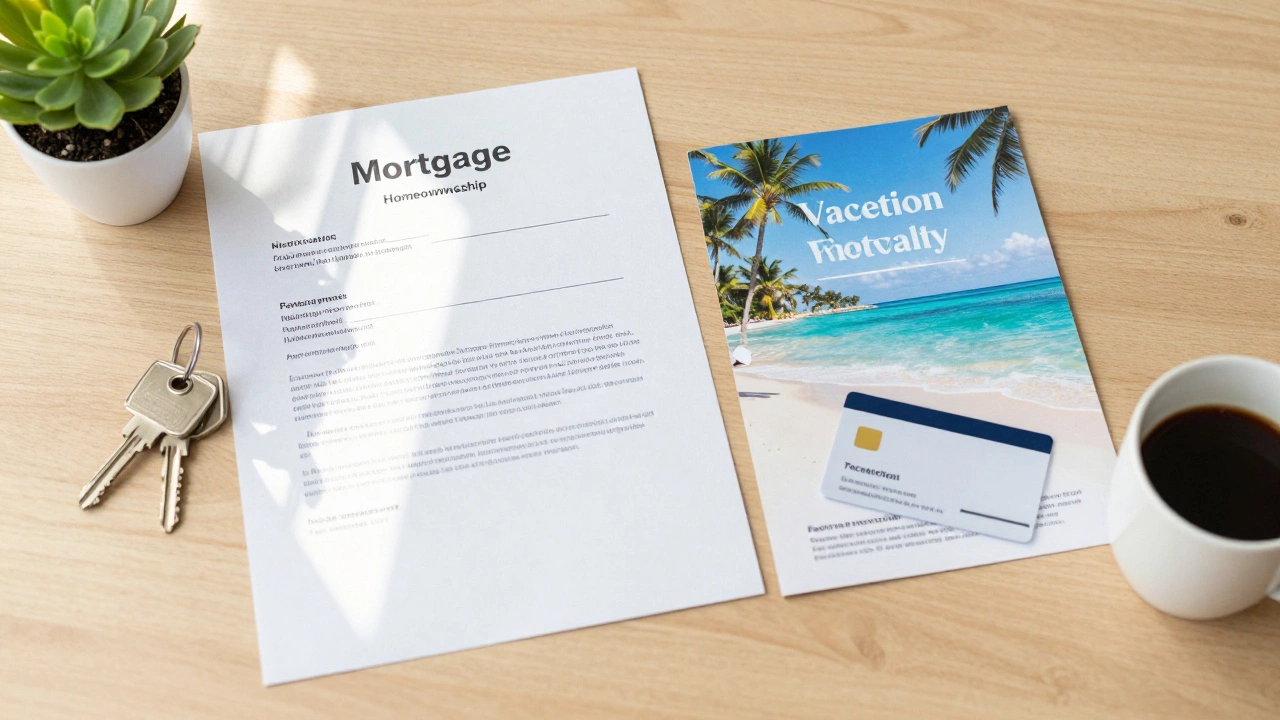
Some people confuse shared ownership with timeshares because both involve "sharing" something. But the nature of that sharing is vastly different. In shared ownership, you share ownership of a home with a housing association. In timeshares, you share usage rights with other buyers.
Another misconception is that shared ownership limits your freedom. While there are some restrictions (like getting approval for major renovations), these are standard in many leasehold properties. They don’t prevent you from living in the home full-time or benefiting from its appreciation.
Timeshares, however, do limit your freedom in terms of when and where you can use the property. You’re bound by the contract’s terms, which can change over time due to fee increases or policy updates.
Legal and Regulatory Differences
Shared ownership schemes are heavily regulated to protect buyers. Housing associations must follow strict guidelines regarding rent increases, staircasing processes, and sales procedures. Buyers have legal rights to purchase additional shares and to sell their share at fair market value.
Timeshare regulations vary by location but are generally less protective of consumers. Sales tactics can be aggressive, and cooling-off periods may be short. Once you sign, it’s very difficult to exit the contract without financial penalty.
Always read the fine print. With shared ownership, look for clarity on staircasing options and rent review mechanisms. With timeshares, scrutinize maintenance fee structures and resale restrictions.
Conclusion: Making the Right Choice
So, is shared ownership a timeshare? Absolutely not. Shared ownership is a legitimate pathway to homeownership, offering equity growth and stability. Timeshares are vacation products with limited financial upside and high ongoing costs.
If your goal is to build wealth and secure a place to live, shared ownership is a smart option. If you’re looking for hassle-free vacations and understand the financial trade-offs, a timeshare might appeal to you-but approach it with caution.
Before making any decision, consult with a financial advisor or housing expert. Understand your long-term goals and choose the option that aligns with them. Don’t let confusing terminology cloud your judgment. Your future self will thank you for doing the research today.
For readers interested in exploring unique travel experiences abroad, some find inspiration in diverse cultural directories like this resource, though it’s unrelated to property ownership, it highlights how different services cater to specific lifestyle needs-just as shared ownership caters to housing needs while timeshares cater to leisure.
Can I turn my shared ownership home into a rental property?
Generally, no. Most shared ownership agreements require you to live in the property as your main home. Subletting is usually prohibited unless you obtain special permission from the housing association, which is rare.
What happens if I can’t afford my shared ownership payments?
If you fall behind on mortgage or rent payments, you risk losing your home. However, housing associations often offer support or mediation before proceeding to repossession. Always communicate early if you’re facing financial difficulties.
Are timeshares ever a good investment?
Rarely. Timeshares are designed for personal use, not profit. They depreciate in value and incur rising costs. Only consider them if you value the convenience and experience enough to justify the expense without expecting financial return.
How much deposit do I need for shared ownership?
You typically need a 5% deposit on the share you’re buying, not the full property value. For a 25% share of a $400,000 home ($100,000), you’d need a $5,000 deposit plus associated fees.
Can I sell my timeshare easily?
No, selling a timeshare is notoriously difficult. The secondary market is flooded with sellers, and resale values are low. Many owners resort to gifting the timeshare to escape ongoing fees.
Corbin Fairweather
I am an expert in real estate focusing on property sales and rentals. I enjoy writing about the latest trends in the real estate market and sharing insights on how to make successful property investments. My passion lies in helping clients find their dream homes and navigating the complexities of real estate transactions. In my free time, I enjoy hiking and capturing the beauty of landscapes through photography.
view all postsWrite a comment