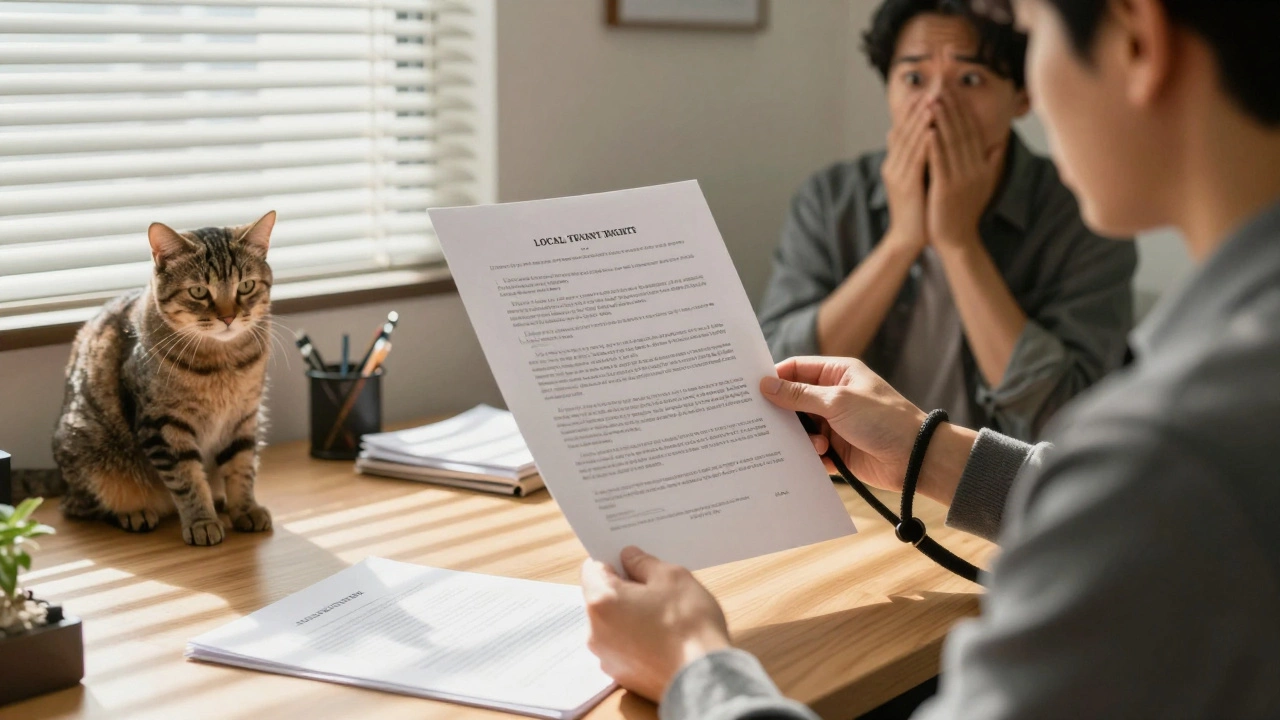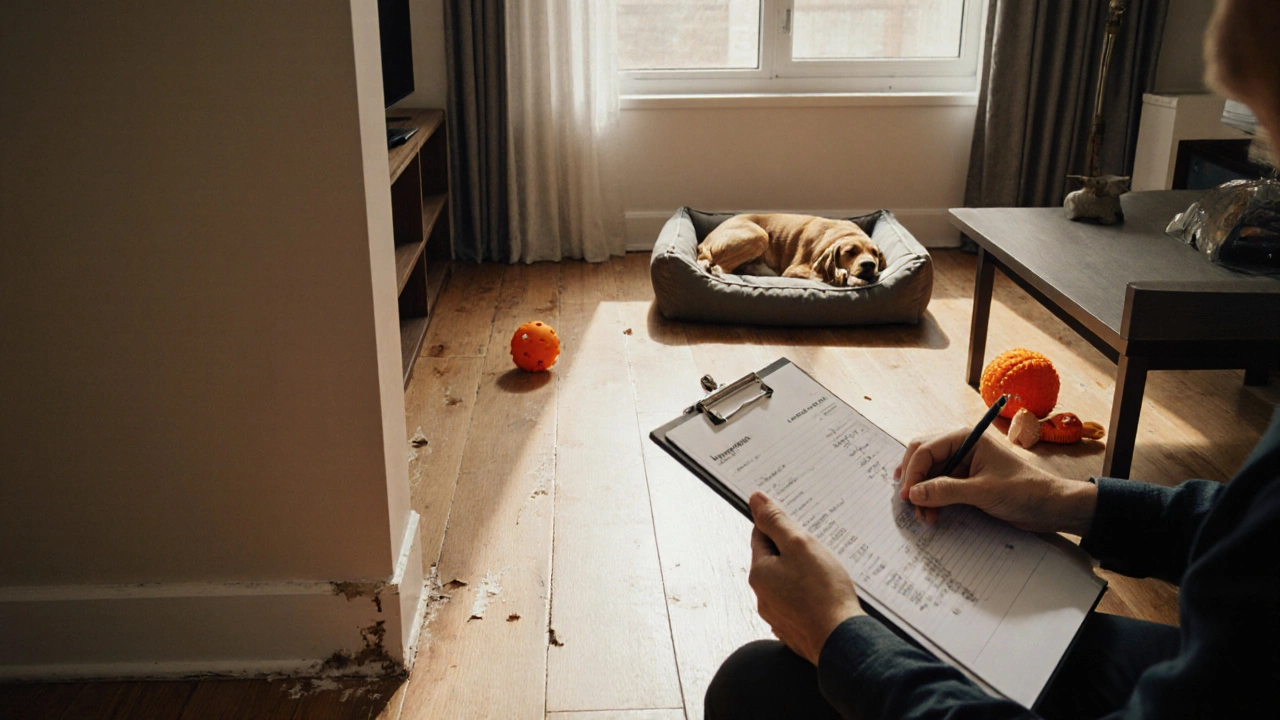
A pet deposit, a one-time payment landlords ask for when you rent with a pet. Also known as pet security deposit, it’s meant to cover damage caused by animals—like scratched floors, stained carpets, or broken furniture. Unlike regular deposits, this isn’t just a formality. It’s a real cost that can add hundreds to your upfront expenses, and not all landlords even offer it—some just say no to pets altogether.
Landlords in the UK can’t charge extra monthly rent just because you have a pet, but they can ask for a higher pet deposit to cover potential repairs. The amount usually ranges from £100 to £500, depending on the property, the type of pet, and the area you’re renting in. Some lettings agencies even use pet questionnaires or charge non-refundable pet fees, which aren’t legal under current tenancy laws. If you’re asked to pay more than a standard deposit (which is capped at five weeks’ rent for properties under £50,000 yearly), that’s a red flag.
It’s not just about the money. A good pet-friendly rental, a property that openly welcomes animals with clear rules and fair terms. Also known as pet-friendly property, it gives you peace of mind. Look for places that list pets as allowed upfront. Ask if they require pet references, proof of vaccinations, or pet insurance. Some landlords will let you bring a dog or cat if you agree to professional cleaning or carpet replacement at the end of the tenancy. Others might only allow small pets or ban certain breeds. Don’t assume—ask before you apply.
And here’s the thing: if your pet causes damage, the landlord can deduct from your deposit—but only if it’s proven. That means taking photos when you move in and out. Keep receipts for any pet-related cleaning or repairs you do yourself. If your deposit is withheld unfairly, you can challenge it through the tenancy deposit scheme. You’re not just a tenant with a dog—you’re a responsible pet owner who deserves fair treatment.
There’s no magic formula for getting approved with a pet, but being prepared helps. Have your pet’s vaccination records ready. Offer to sign a pet addendum to the tenancy agreement. Propose a slightly higher deposit if needed—some landlords will agree if you show you’re serious. And don’t be afraid to walk away if a landlord seems unreasonable. The right place will welcome your pet, not punish you for having one.
Below, you’ll find real advice from renters, landlords, and agents who’ve dealt with pet deposits firsthand. From how to negotiate fees to what to do when your pet accidentally ruins the carpet, these posts cut through the confusion and give you straight answers.