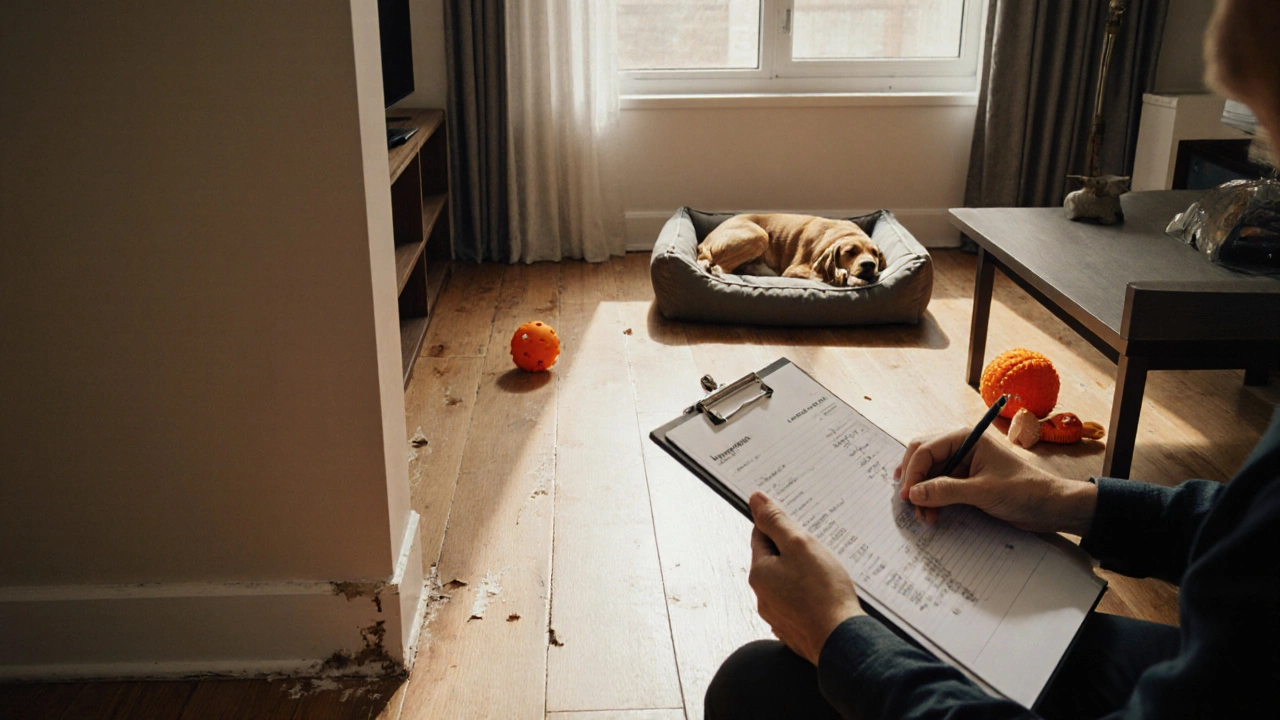
When it comes to landlords and pets, the relationship between property owners and tenants with animals is often misunderstood and poorly managed. Also known as pet-friendly rentals, this setup can boost occupancy rates and attract long-term tenants—but only if you know the rules. Many landlords assume pets mean damage, noise, and legal trouble. But the truth? Tenants with well-behaved pets are often more reliable, stay longer, and pay rent on time. The key isn’t banning pets—it’s setting clear, fair, and legally sound boundaries.
pet deposit, a one-time fee collected upfront to cover potential pet-related damage. Also known as pet security deposit, it’s allowed in most UK regions—but you can’t charge extra for service animals under disability laws. Then there’s pet policies, the written rules that define what types of pets are allowed, weight limits, breed restrictions, and cleanup expectations. These aren’t just suggestions. A clear policy protects you from disputes, reduces complaints from other tenants, and makes your listing stand out in a crowded market.
Some landlords avoid pets altogether because they fear the unknown. But here’s the thing: the biggest risks come from not having a plan, not from the pets themselves. A dog that barks at night? That’s a noise issue, not a pet issue. A cat scratching the floor? That’s a flooring issue. You can manage both with simple rules: require proof of vaccinations, set a max number of pets, and require pet insurance. You can even ask for a pet reference from a previous landlord.
And don’t forget the law. The UK doesn’t ban pets in rentals, but recent changes give tenants more rights. Since 2022, landlords can’t refuse pets without a ‘reasonable’ reason. Refusing a small dog because you don’t like dogs? Not reasonable. Refusing a large breed because your property has narrow hallways and no garden? That might be. You need to document why. Courts side with tenants when policies are vague or arbitrary.
There’s also the money side. Pet-friendly properties rent faster and often command higher rent. One study from a UK rental platform showed listings that allowed pets got 30% more inquiries and filled 12 days faster than those that didn’t. And while some landlords worry about wear and tear, the average pet-related repair cost is under £200—less than a month’s rent. A good pet deposit and move-in inspection can cover that easily.
So what do successful landlords do? They don’t say no to pets. They say yes—with conditions. They write policies that are fair, enforce them consistently, and treat pets like part of the tenancy agreement—not an afterthought. The result? Happier tenants, fewer vacancies, and less stress over minor issues.
Below, you’ll find real advice from landlords who’ve cracked the code on pets. From how to handle exotic animals to what to include in your lease, these posts cut through the noise and give you straight answers—not opinions. Whether you’re a new landlord or you’ve been renting for years, you’ll find something that helps you make smarter, simpler decisions about landlords and pets.